Celebrating Wangari Maathai’s Living Legacy at Ruben Centre
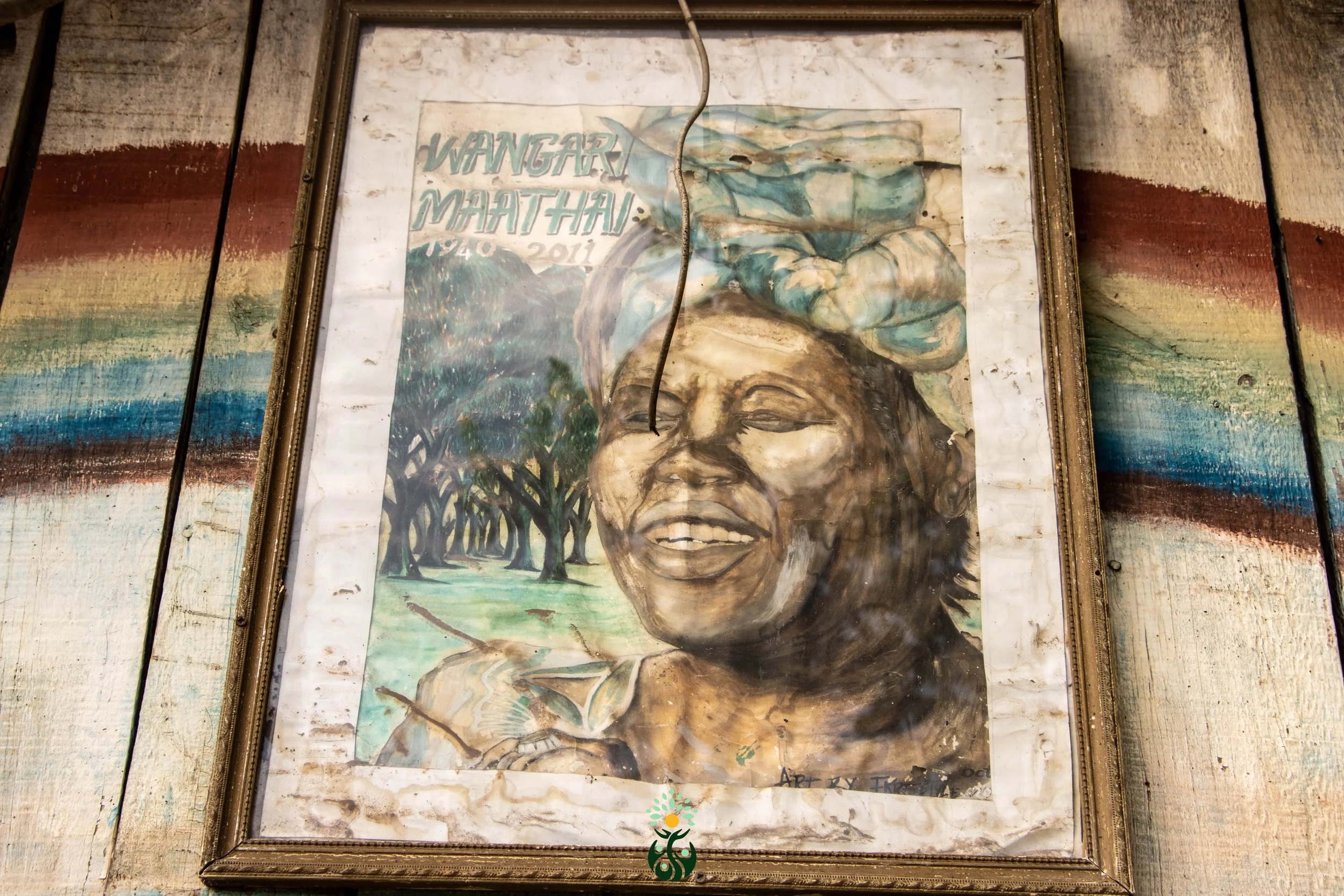
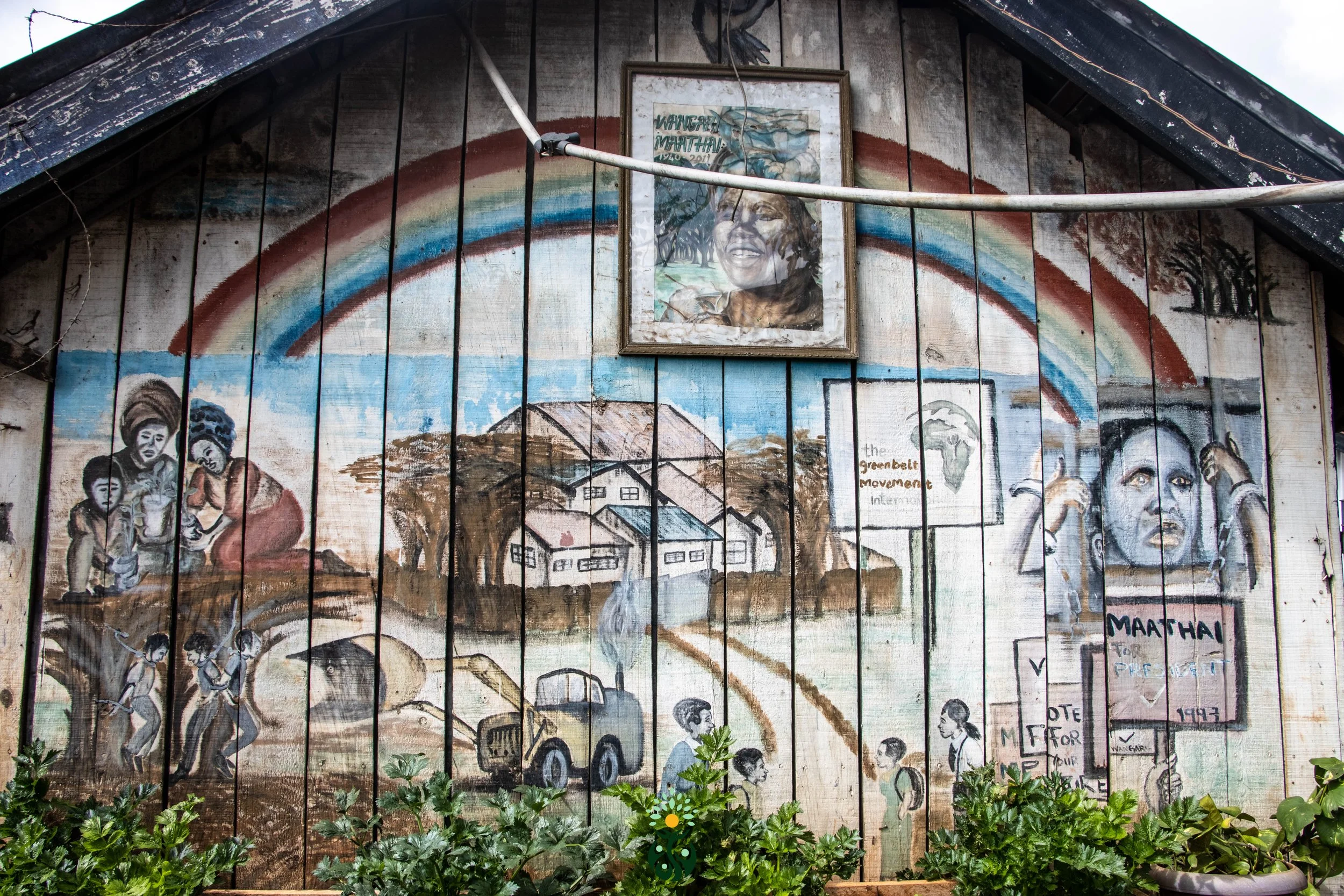
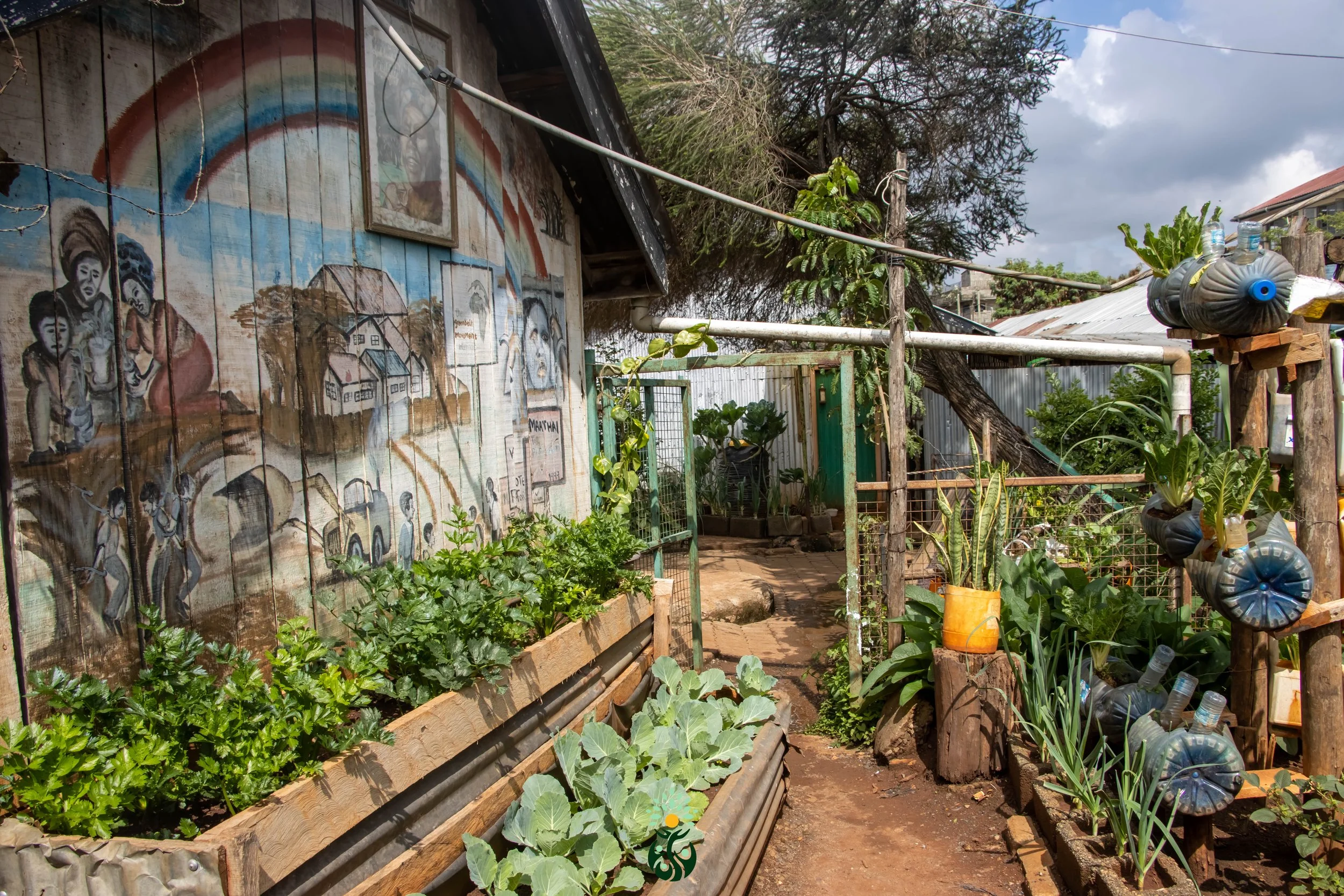
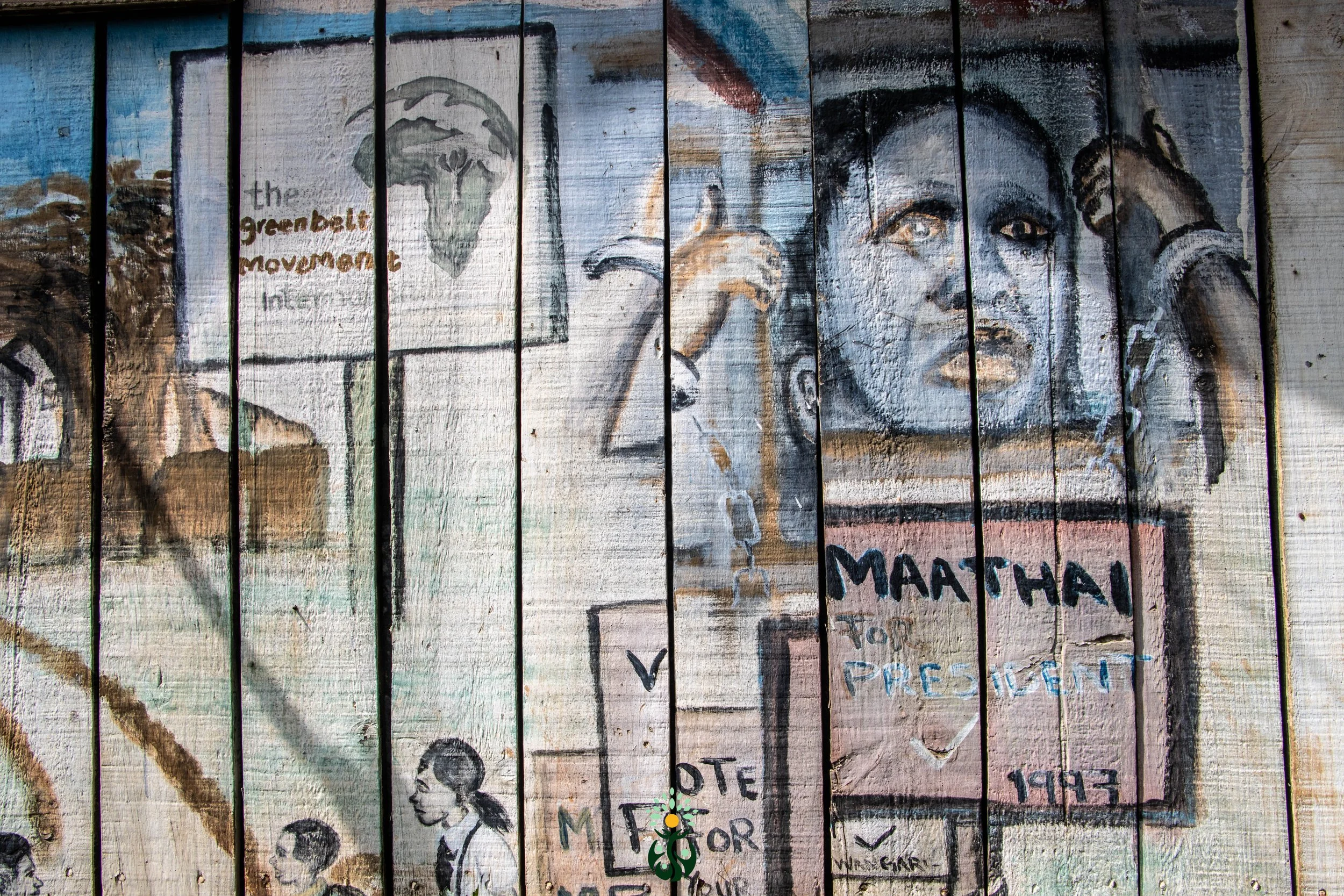
A portrait of Professor Wangari Maathai hanging at Ruben Centre’s garden.
Today, March 3rd, we mark Wangari Maathai Day, a time to celebrate and honor a woman whose roots run deep in the soil of Kenyan history and whose canopy of environmental activism continues to offer shade and inspiration beyond the confines of the Kenyan borders.
Professor Wangari Maathai was truly a lady of many firsts. She was the first woman in East and Central Africa to earn a PhD and attain Professor status, one of the first women to run for the presidency in Kenya, and the first African woman to be honored as a Nobel Peace Laureate. Perhaps most fittingly for today’s generation, she has been affectionately reclaimed as the 'shawry for the forests' by Kenyan Gen Zs. Even 15 years since her demise, her name remains a beacon of hope. She was fierce in the face of injustice, and her heartbeat was perfectly synchronized with the rhythm of the environment.
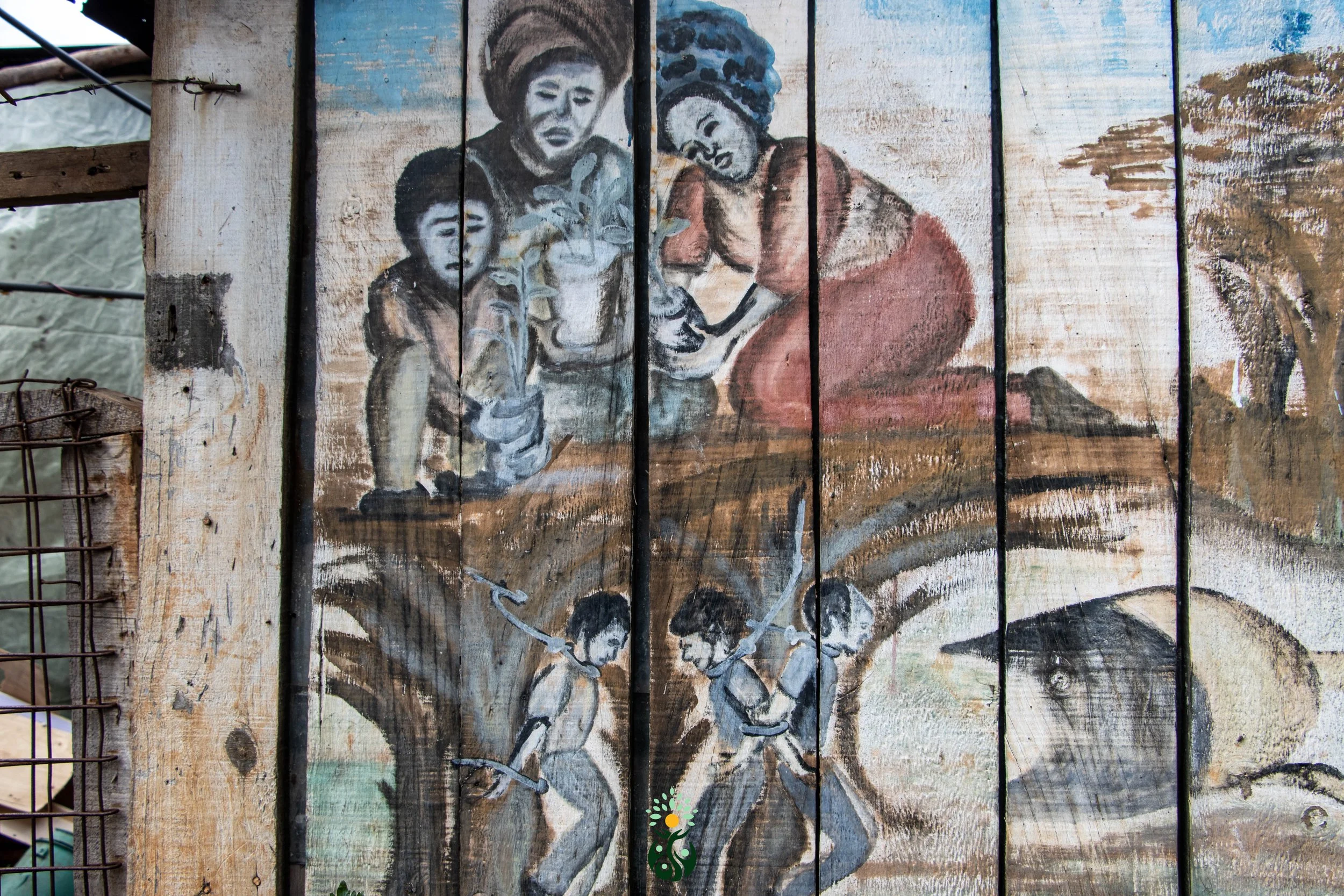
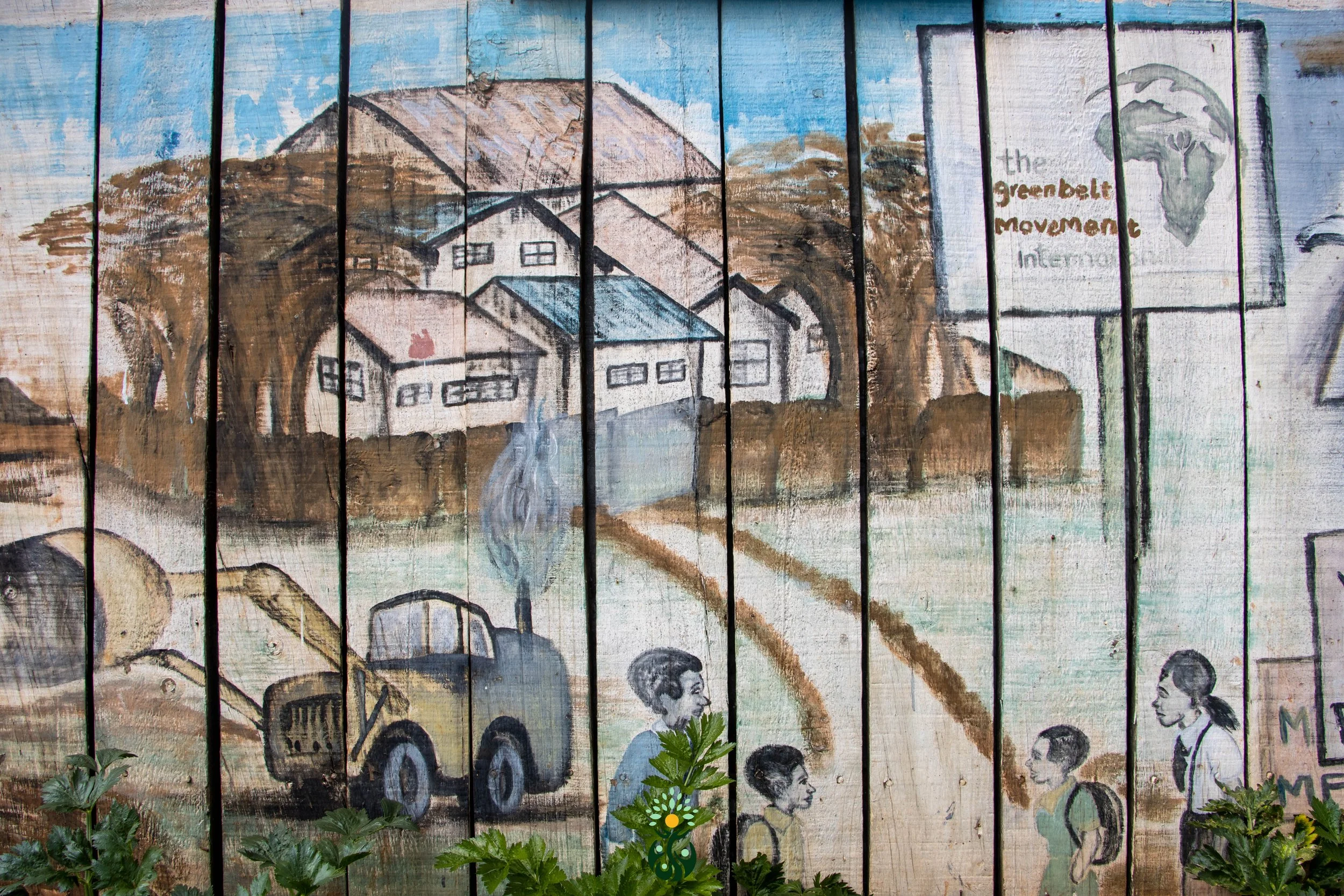
Born in Nyeri, Maathai’s academic journey took her from the United States and Germany back to the University of Nairobi, where she broke glass ceilings in every department she entered. However, her true classroom was the earth itself. Through the Green Belt Movement, she pioneered a philosophy of grassroots empowerment. She believed that environmental conservation was not just about planting trees; it was about democracy, human rights, and the hummingbird spirit—the idea that each of us, no matter how small, must do the best we can to save our collective home.
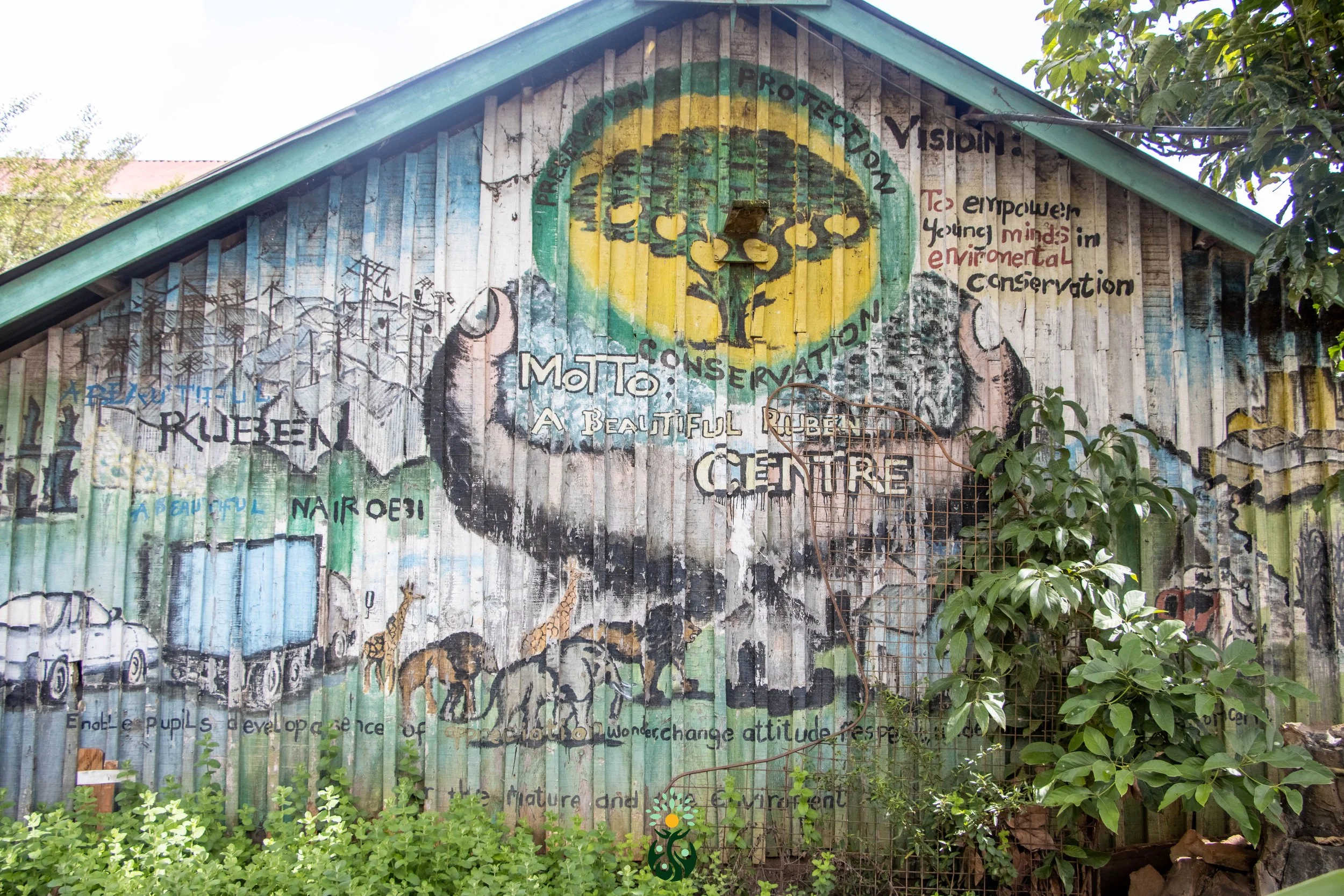
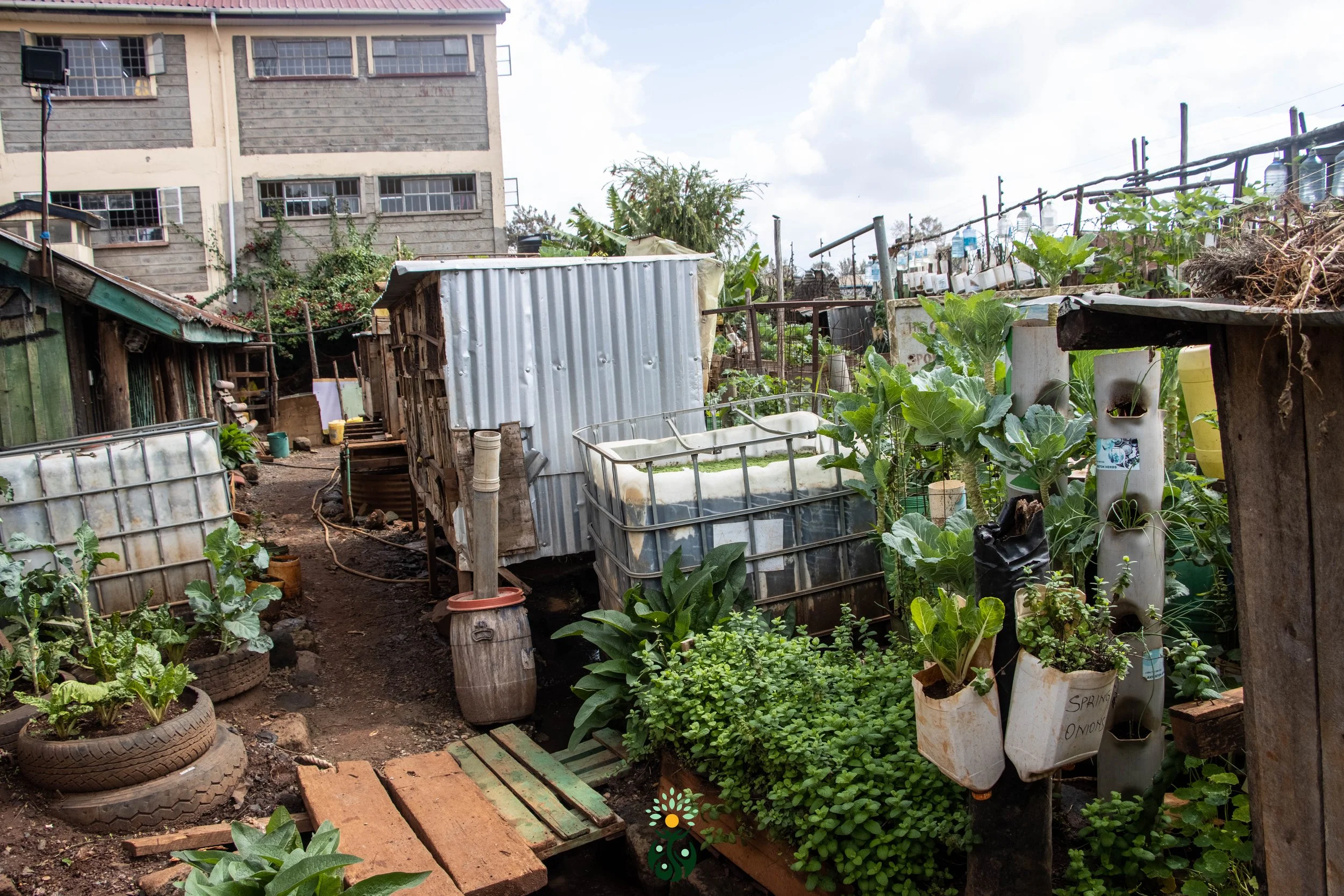
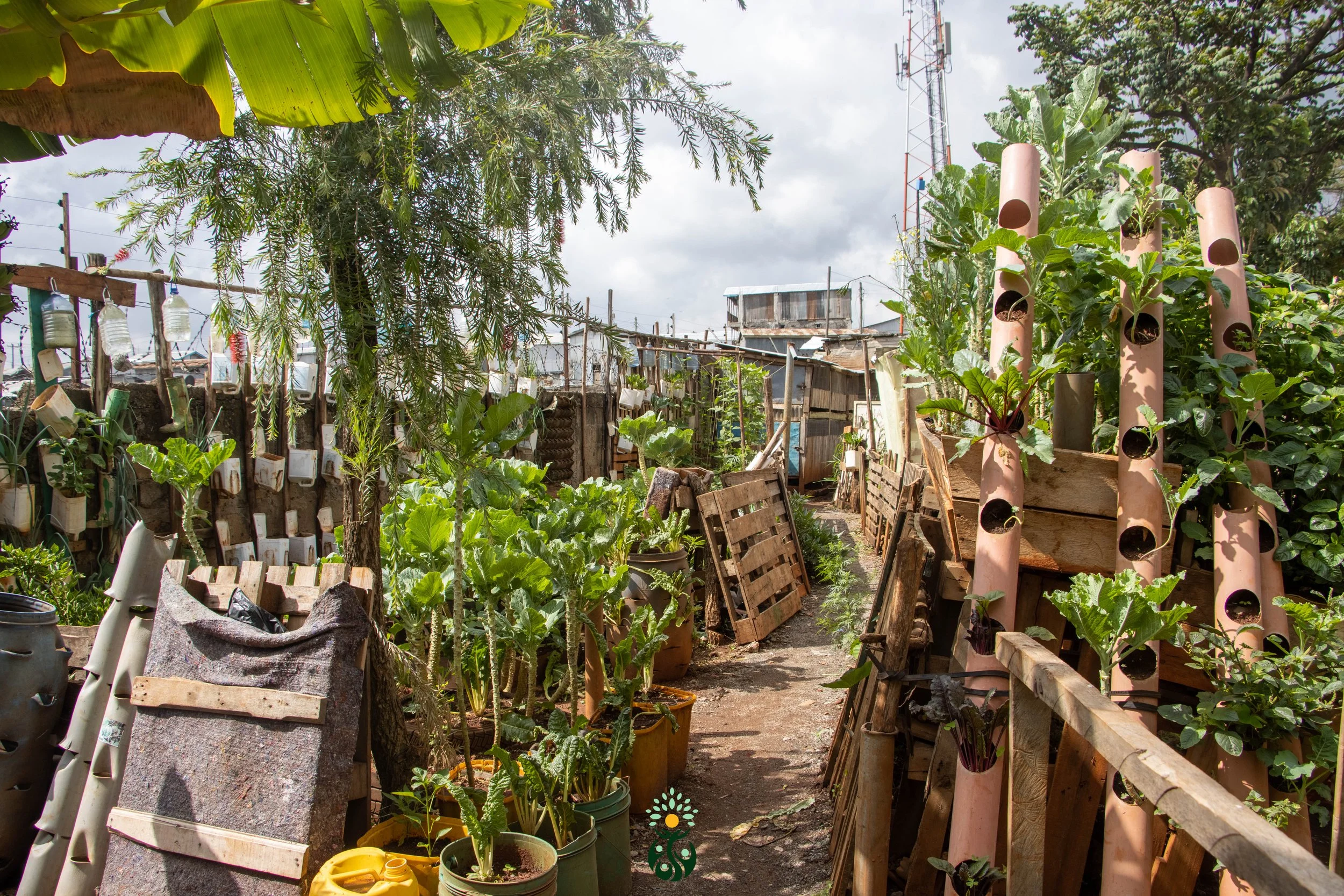
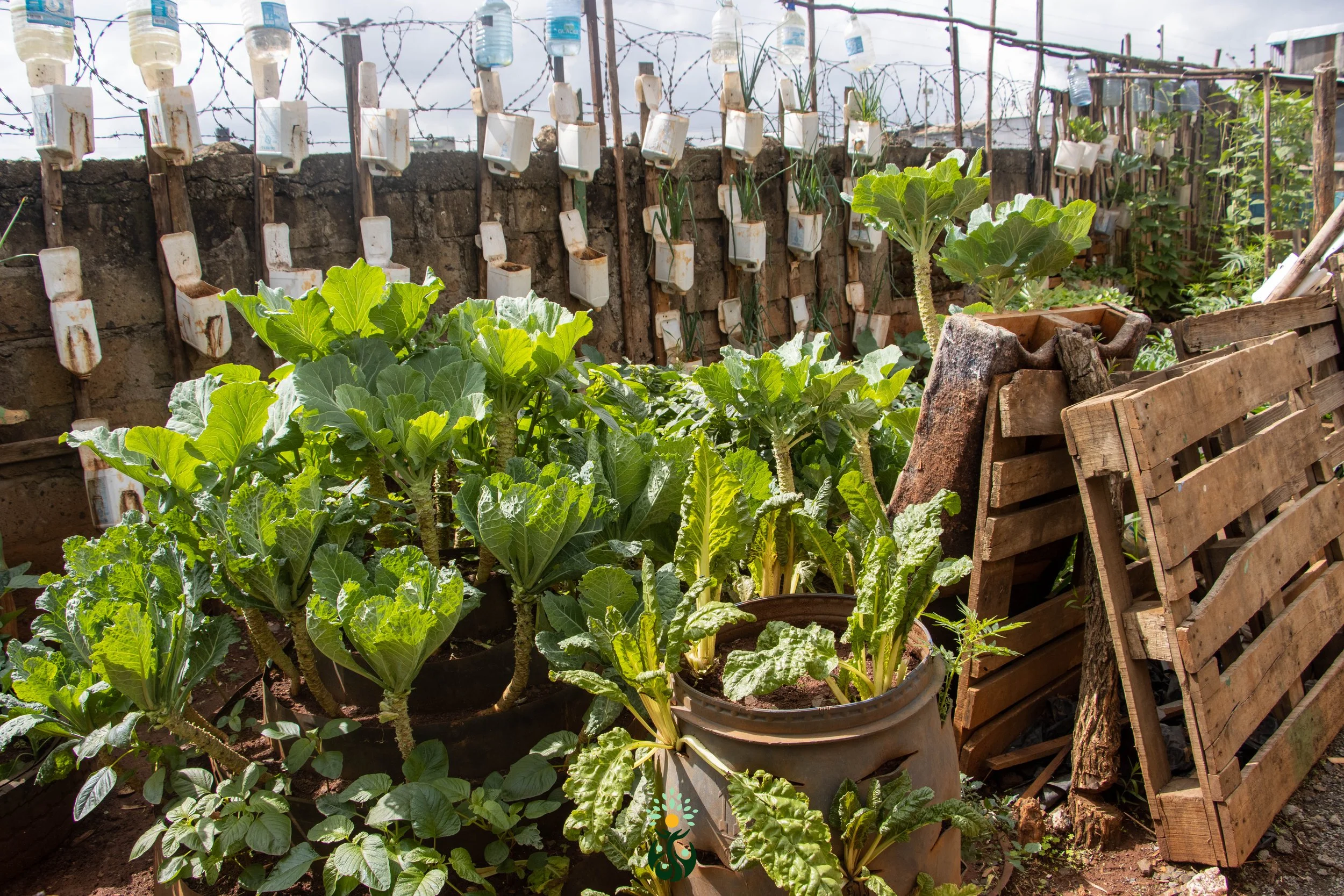
At the heart of the Ruben Centre, this global legacy takes on a very local, tangible form: the Professor Wangari Maathai Urban Garden. Named in her honor, the garden was established to ensure that her message of thinking globally and acting locally remains a daily reality for the Mukuru community. While Professor Maathai fought for the vast Abedares, Karura and many other forests, our urban garden fights for the food security and health of urban dwellers living in confined spaces. It is a green sanctuary that serves as a laboratory for sustainable living in an urban setup. More than a commemorative space, the garden serves as an engine of transformation. In 2025 alone, over 2,000 people received hands-on training through our urban farm, learning how to turn small, concrete spaces into productive sources of nutrition. The projects within the garden aim to help residents master techniques such as:
Vertical & Sack Farming: Growing vegetables in tiers to maximize limited urban footprints.
Climate-Smart Agriculture: Utilizing recycled water and organic composting to ensure yields even during dry spells.
Nutrition Advocacy: Training families to move from survival diets to nutrient-dense, home-grown produce.
By teaching the community to farm within the city, we are continuing Maathai’s mission of self-sufficiency and environmental stewardship.
As we reflect on her life today, we are reminded of her profound warning and invitation:
"What we don't understand is that we humans are part of this ecosystem. If we kill this system, we kill ourselves. This ecosystem must be sustained because on its survival depends our own."
The Professor Wangari Maathai Urban Garden is our way of ensuring that survival. On this day, let us not only remember her name but also get our hands dirty in the service of the earth she loved so dearly.
By: Gregory Barake