
More Than a Health Centre—A Lifeline
It was just another Saturday morning at Ruben Centre, and Br. Frank had ridden his bike down to check on how things were running. As usual, his first stop was the birthing unit, where the team immediately called him over to review a newborn baby.
The nurse explained quietly but firmly, “The baby is not breathing well. The oxygen levels in the blood are very low without supplemental oxygen. We suspect a cardiac problem, and the baby needs to be referred to a hospital with an ICU.”
Almost instantly, reality set in. The government hospitals were still on strike—now entering their seventh week. The only available option was a Private Hospital. And when we contacted them, they agreed to receive the baby, but only upon payment of KES 20,000 on admission. Frank recalls,
“My mind raced as I weighed this reality, while the nurses stood watching, waiting for direction.
“Finding that sort of money is out of the question,” I responded sharply. “And let’s be honest—there are many babies where this one came from.”
I turned and walked away toward my bike, knowing deep down that I had just abandoned a moment that mattered—and left behind a group of young nurses carrying more than they should have to.
I rode off with my head down, desperate to escape both the place and the weight of the decision. At the T-junction on the road, I instinctively prepared to turn right—towards home, away from Ruben; away from the problem.
To this day, I do not fully understand ( Maybe the memory of my little blue baby sister Helene who lived only 3 months )-what happened next but Instead of turning right for home , I turned left and rode straight to an ATM.
I withdrew KES 20,000, rushed back, and almost threw the money at the nurses while ordering them to load the baby into the ambulance.
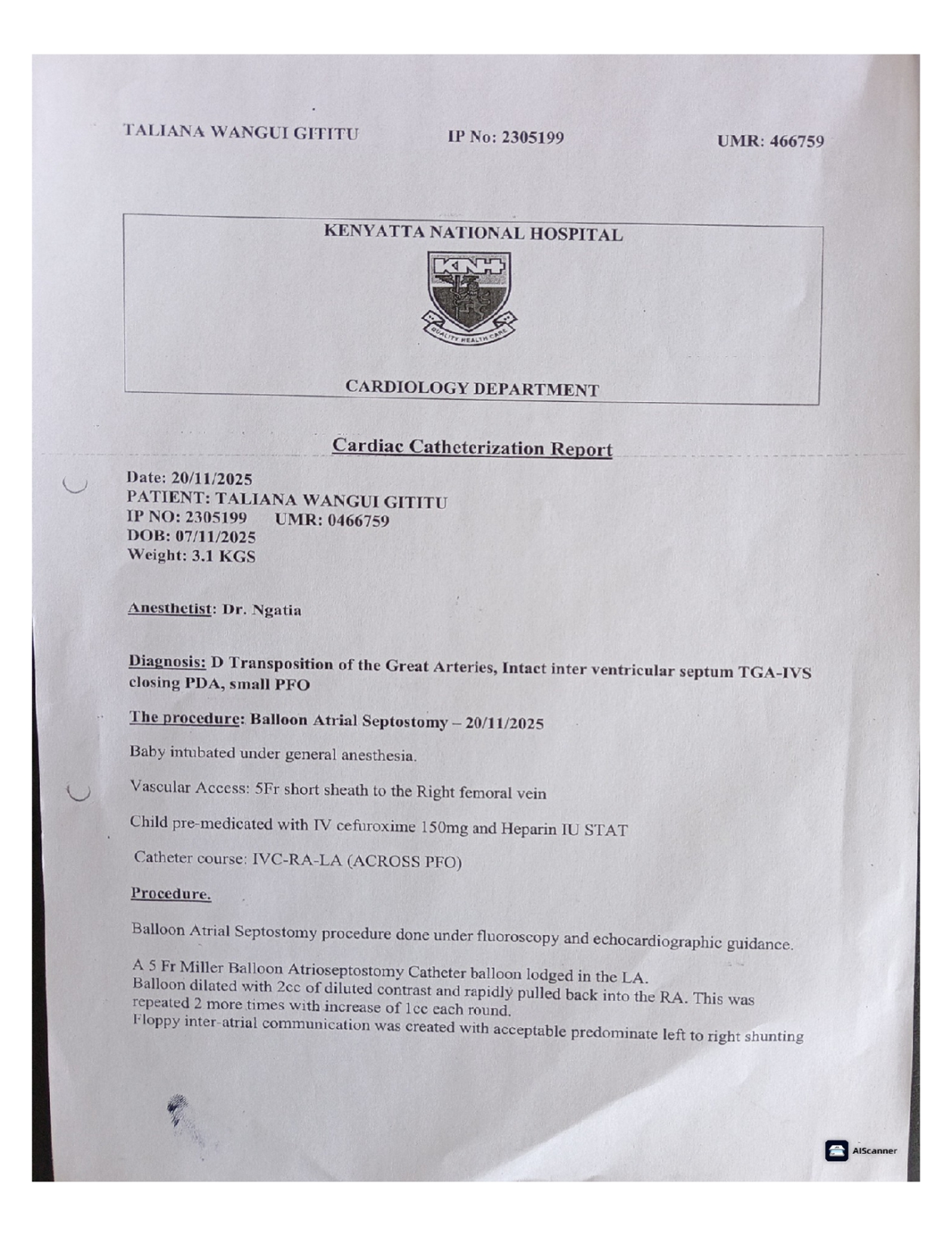
Cardiac Catheterization Report from Kenyatta National Hospital
“A private hospital —now,” I said.
Monday came with mixed news. The good news was that the baby was fighting hard and clearly determined to live. The bad news was that although Kenyatta National Hospital was no longer on strike, their cardiologist was engaged.
Day after day passed the same way. The baby remained admitted at Shalom while everyone waited. By the time the cardiologist finally returned, the private hospital invoice had climbed to KES 50,000, (US 420) and we were informed that the baby would not be released unless the bill was settled.
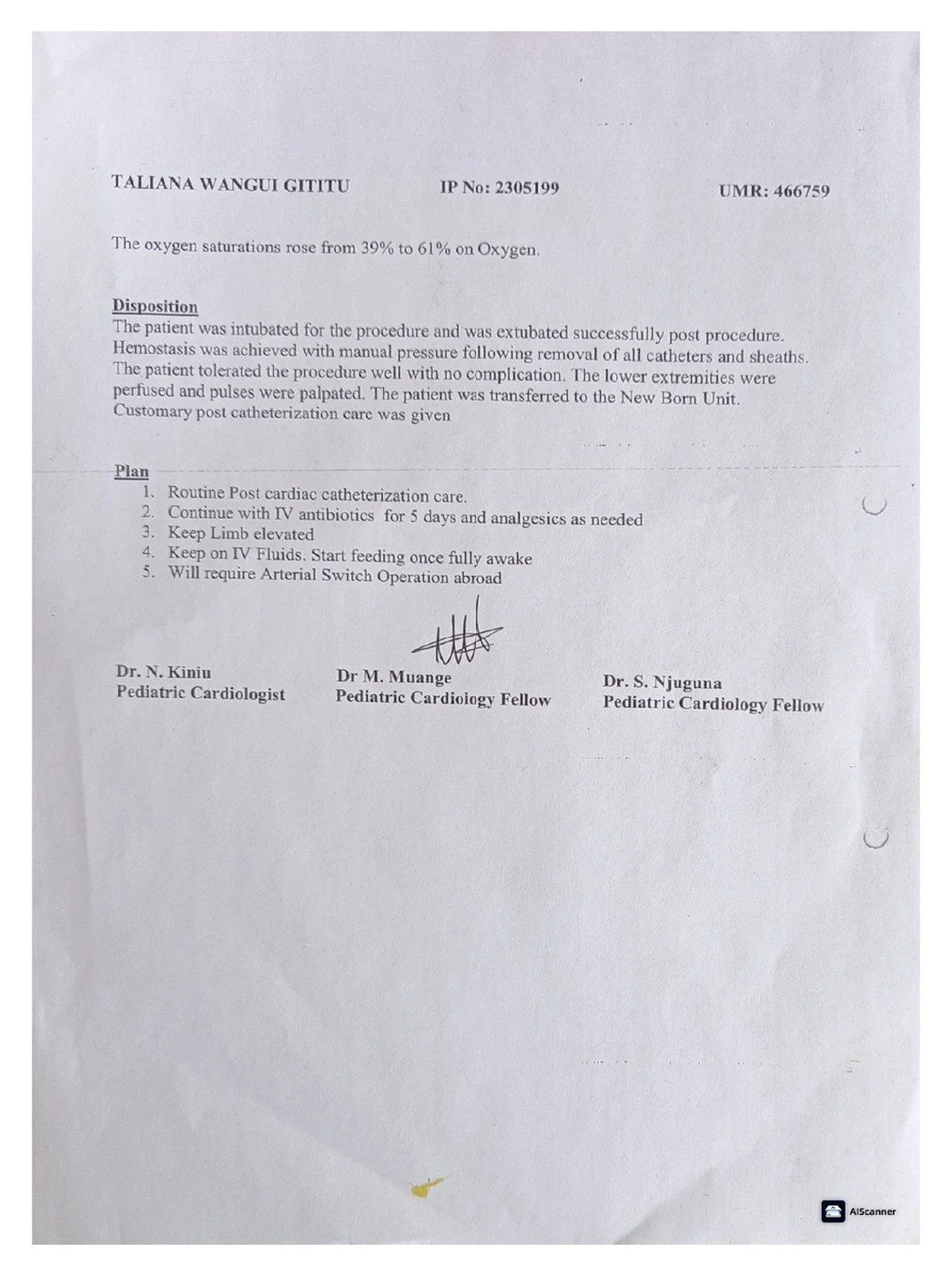
Second part of the report
I turned to our dependable health centre Data man Ben, and sent him to the private hospital. Through patience, persistence, and remarkable persuasion, he convinced the hospital accountant to waive the bill, and immediately the baby was transferred for surgical care.
Ten weeks passed, and life, as it always does, moved on. The urgency of that Saturday morning faded into the background noise of daily work and new crises. I left Kenya and almost forgotten about the team—and about our little baby.
Then this news reached me.
Ben and the nurses had quietly stayed in touch with referral hospitals and the family, week after week, long after the drama had faded from view. Their updates continued until 20th November 2025, when the child finally underwent a balloon atrial septostomy—a life-saving cardiac procedure for babies born with complex congenital heart disease.
After the procedure, the baby spent four weeks in the nursery, followed by further admission for close monitoring. The costs continued to rise. By the time care was completed, the total bill had exceeded KES 350,000.(US 2,800)
Half of this was covered by the Social Health Authority.
The rest?
It fell to the family, and fortunately supported by the social work office at Kenyatta National Hospital and some strangers stepping in so that a child could live.
Then came Monday, 19th January 2026.
Ben later explained how, while going about routine work- his phone rang.
He answered.
“Daktari… my baby is okay,” the voice said.
“She is breastfeeding well. I am here at Ruben hospital. I want you to see her.”
It was Charity, the baby’s mother.
Time stood still.
Together with Eussyllah, the nurse who had conducted the delivery—the very first hands that had welcomed this child into the world-
I rushed down to meet them.
Alive. Alert. Breastfeeding confidently. Healthy.
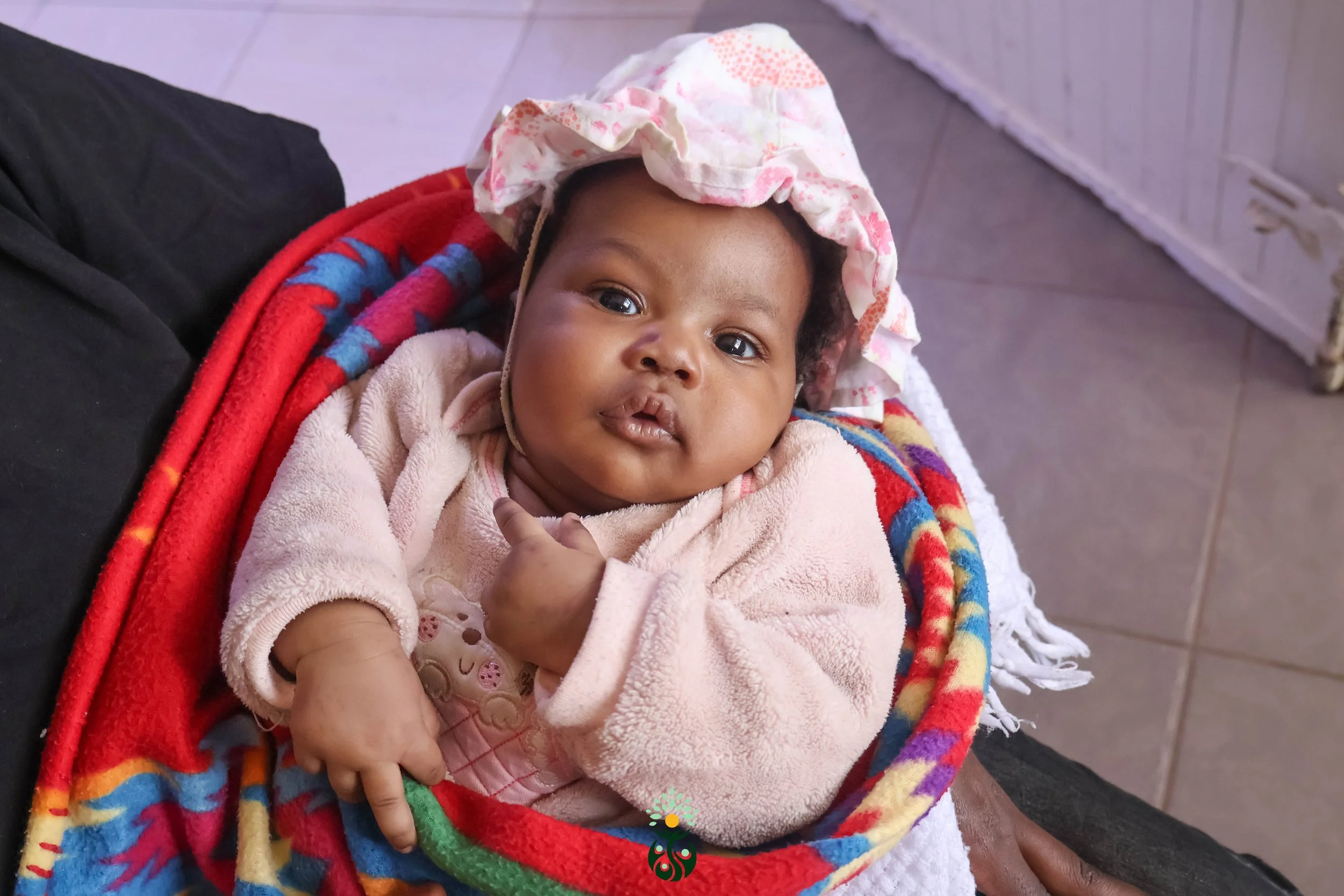
Baby Taliana
Charity was radiant—smiling in a way only a mother who has stared death in the face and walked away can smile. She talked endlessly, laughed freely, and thanked everyone repeatedly, asking eagerly, “Where is Bro. Frank? I want him to see my child.”
And our baby?
Oh my. The baby now has a name Taliana!
In that moment, everything came rushing back.
The response and emotions included fear, anger. The ATM withdrawal, the endless negotiations and the anxiety that accompanied them.
Suddenly the truth settled, heavily and quietly, in our hearts:
This is why we show up.
This is why systems matter—but people matter more.
This is why a single decision, made at a crossroads, can change a life forever.
Sometimes, all it takes is a left turn instead of a right one for a baby to live.
What this story reminds us is that survival is rarely the result of one heroic act, but of many ordinary people choosing to go a little further than expected. At Ruben Centre, we believe that care does not end at the delivery bed or the referral letter.
It continues through phone calls, follow-ups, negotiations, and unwavering presence when families have no other options.
This baby is alive today because nurses stayed, a health centre lead persisted, strangers stepped in, and a system of compassion refused to look away.
As Benson Kagwima reflects, “At Ruben Centre, we may not always have all the resources, but we never stop showing up. Sometimes, changing a life begins with nothing more than choosing to stay, choosing to care, and choosing to walk with someone when the road ahead feels impossible.”
By: Frank O’Shea OAM & Benard Ondieki
Edits: Ben Kagwima