Playing Your Instrument in The Ruben Centre Orchestra
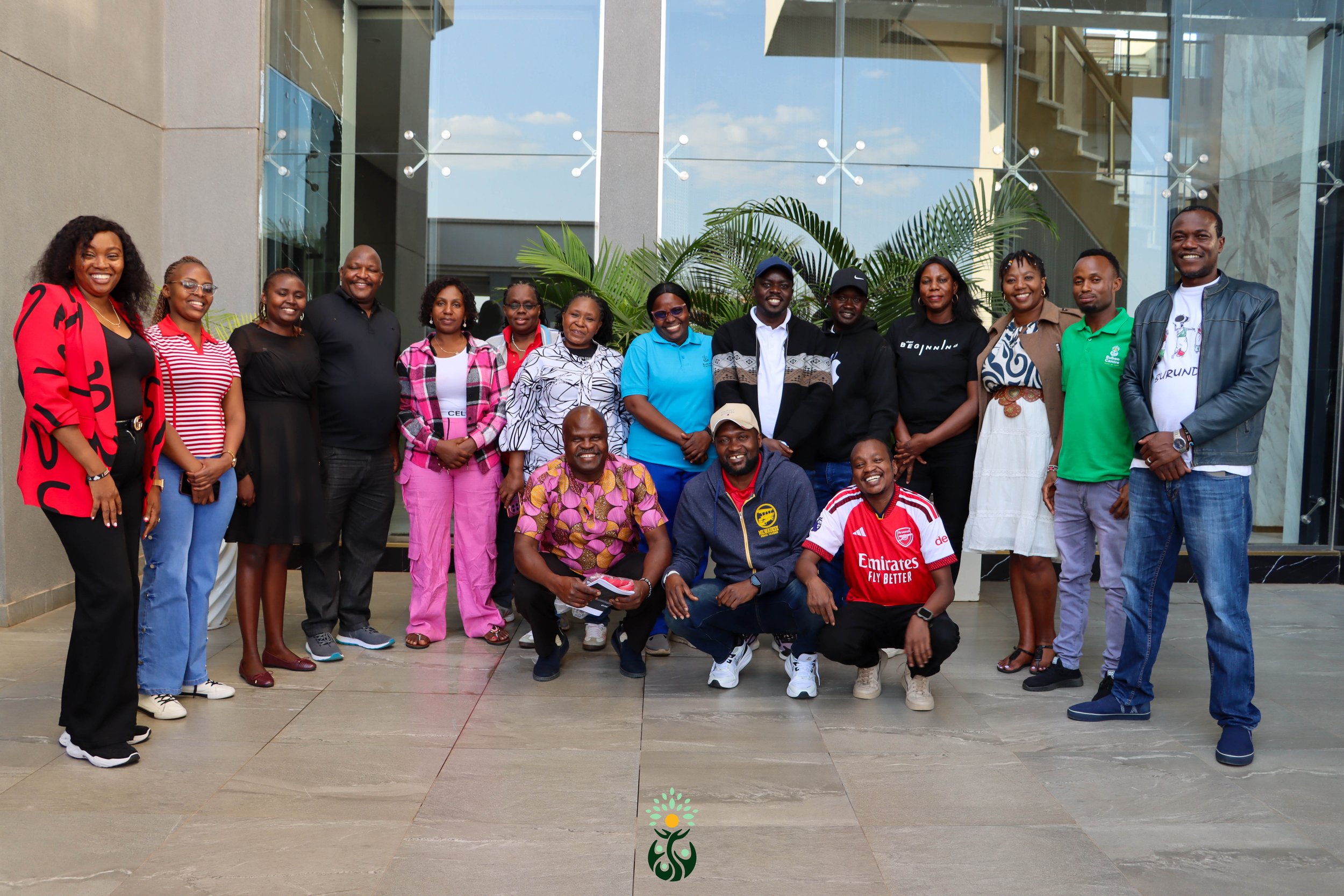
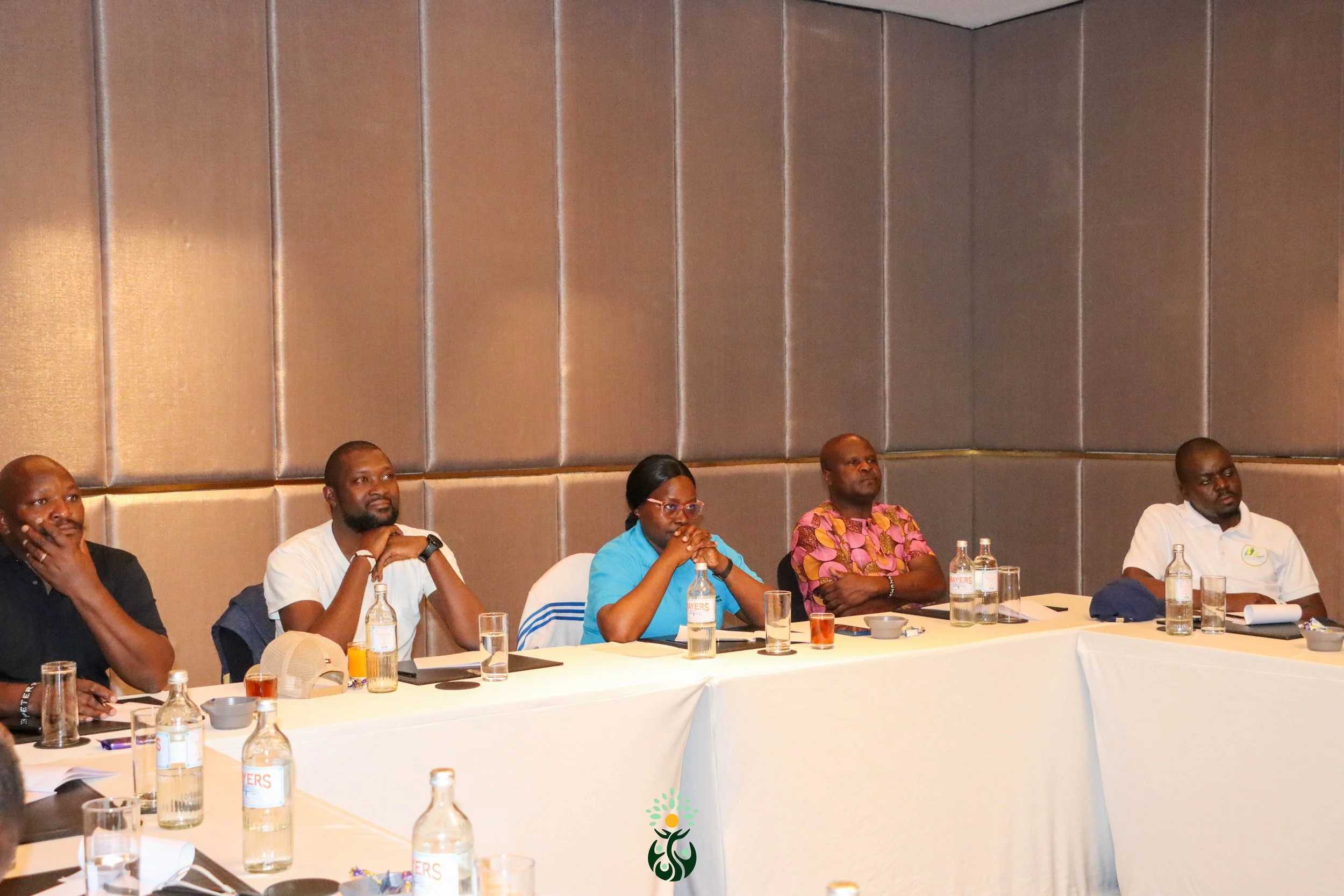
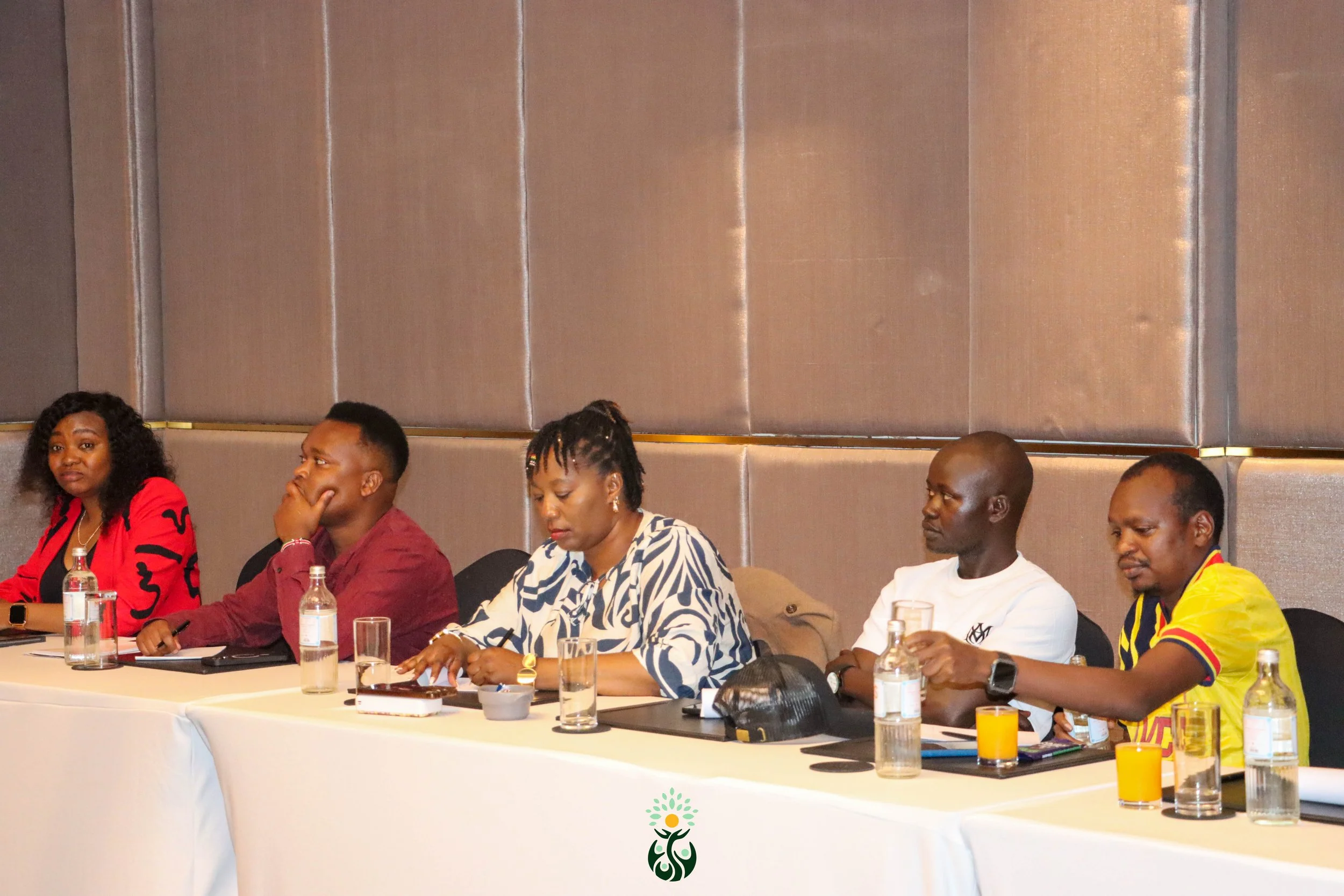
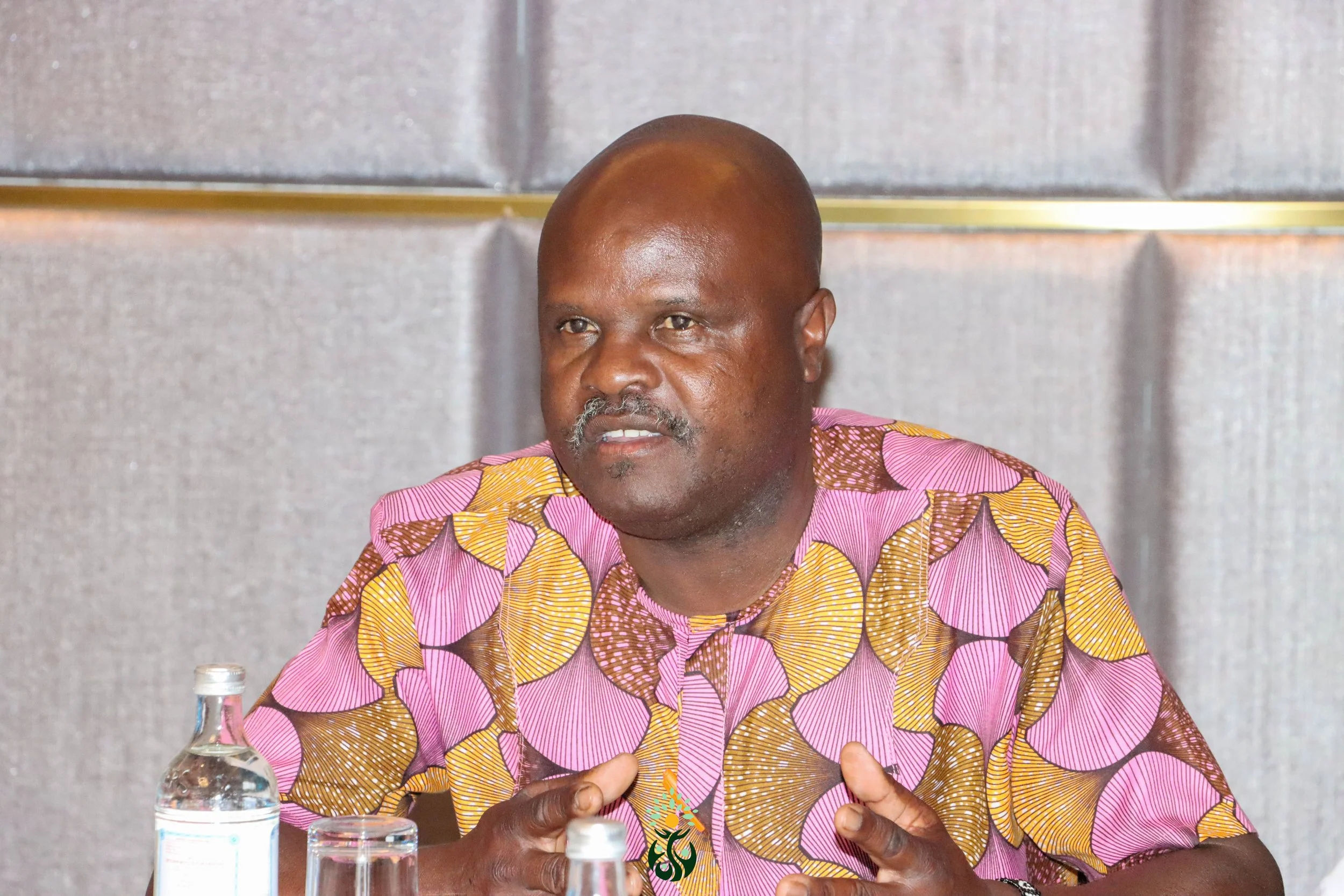
On 28th August 2026, department heads from across Ruben Centre gathered at Glee Hotel for a day set aside from the usual rhythm of meetings and deadlines. In the room were Director Liz Mwangi, Roselyn, Franklin and Benard from finance, Mercy from people and culture, Peter and Oscar from education, Margaret from programming, Magdalene, Catherine and Elizabeth from empowerment, Martin from radio, Joannes from security, Evans from maintenance, Lemba from IT, Greg from communications, and a guest Richard, who works with partner organisation Edmund Rice Foundation. The presence of maintenance and security at the table mattered. Those are voices that aren't always in the room when leadership conversations happen, and at Ruben Centre, leadership was treated as something that isn't confined to a title or a department. Everyone steering a team has a seat here.
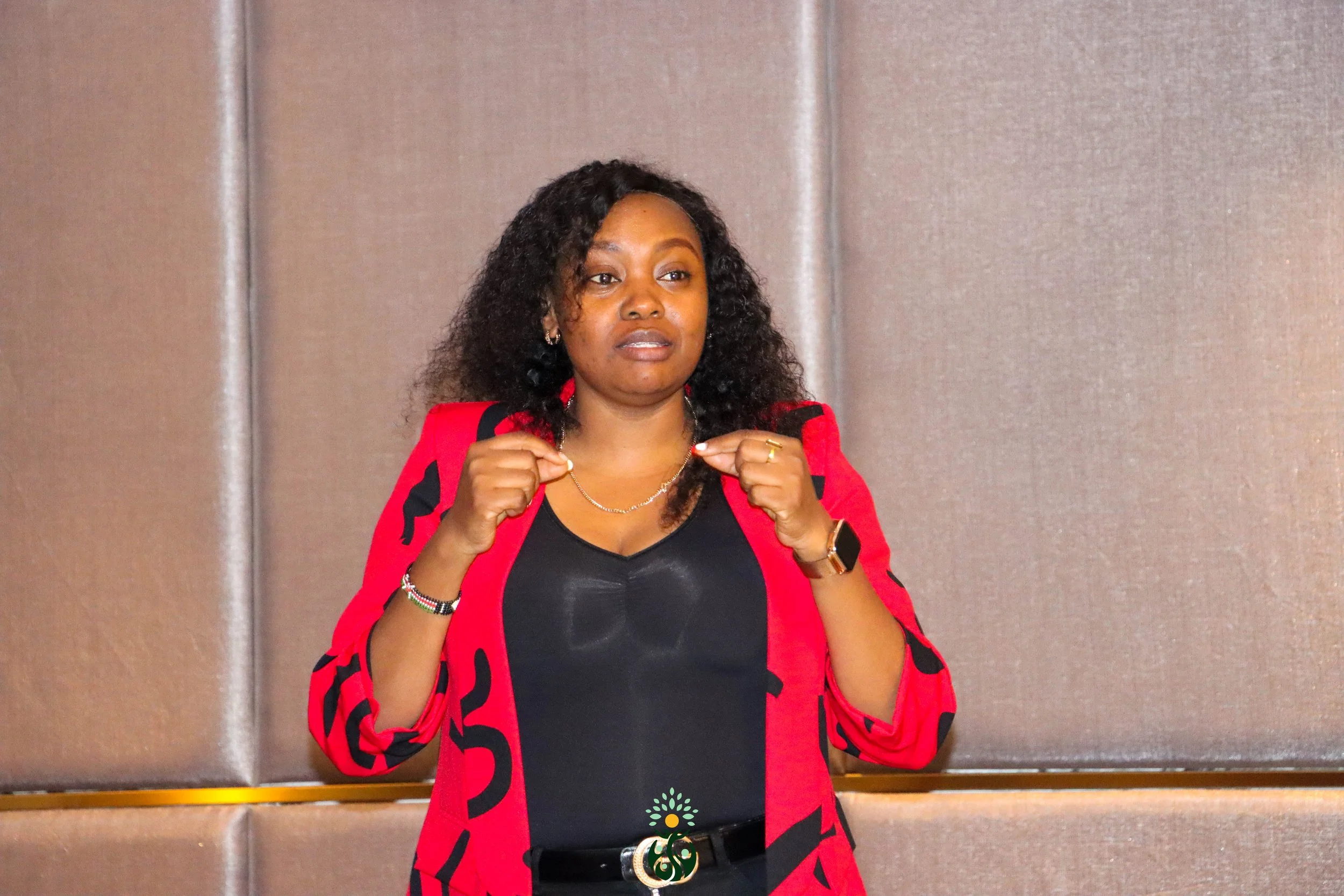
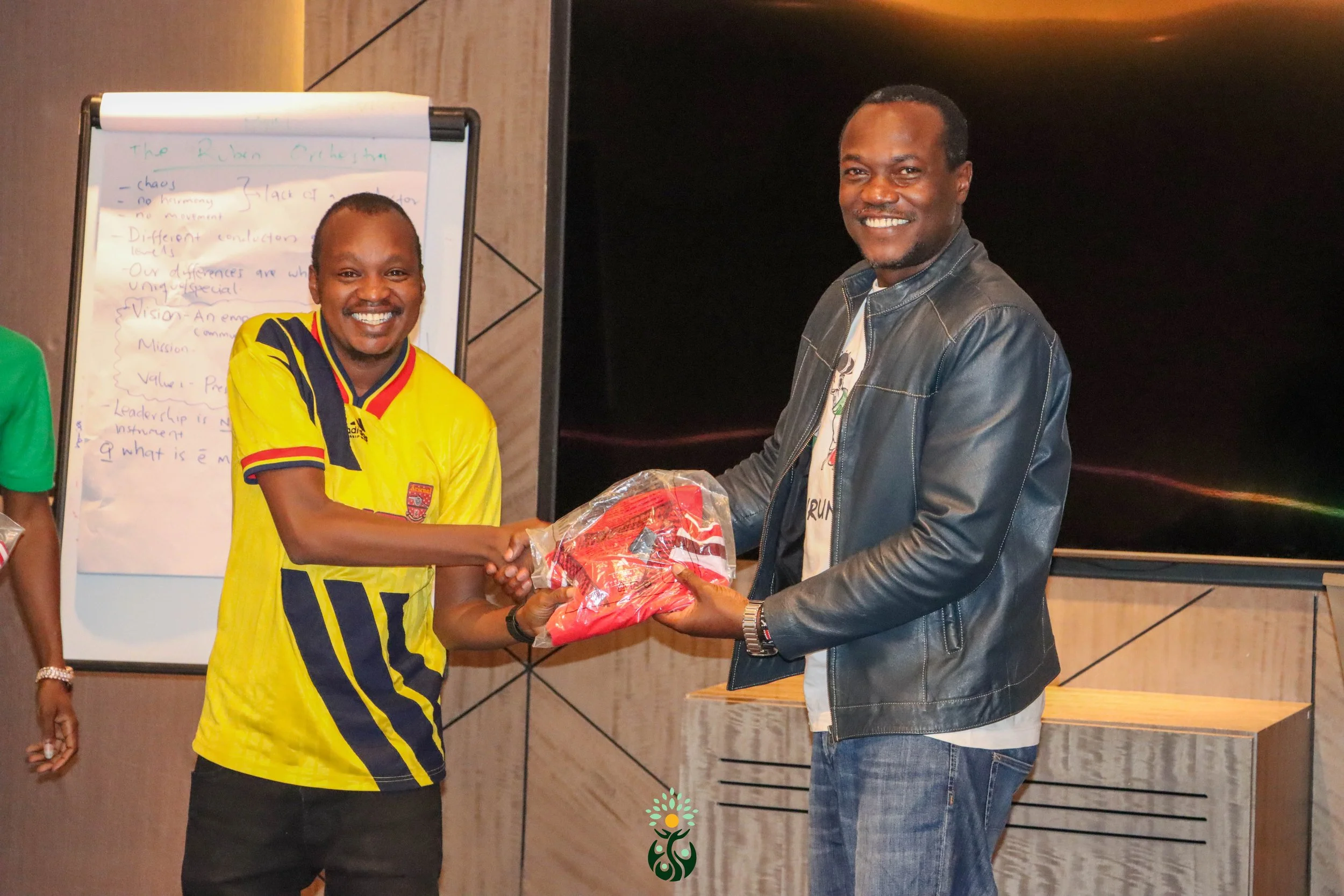
The retreat opened with a reflection from the Director, Liz Mwangi, built around a single analogy: an orchestra.
She asked the room a simple question. If our leadership team were an orchestra, what instrument would you be, and why? The answers that followed captured how differently people see their own contribution: the drummer who brings energy and keeps everyone moving, the violin that is sensitive to detail and harmony, the trumpet that is bold and impossible to ignore, the piano that quietly supports every other part, the conductor who brings it all together.
Then came the harder question. What happens when everyone wants to be the conductor?
That tension sat at the heart of the reflection. A great orchestra does not succeed because everyone plays the same instrument. It succeeds because different people bring different strengths, held together by one purpose. Liz walked the room through what that means in practice at Ruben Centre: the team is the orchestra, the organisation is the music, the shared vision is the score, and the values are the rhythm. Leaders, she reminded them, are both musicians and conductors at once.
Five lessons carried the reflection forward:
Everyone has a different instrument. Some people lead through relationships, others through expertise, ideas, encouragement, problem solving, courage, or vision. The question each leader was left with: what strength do I bring to this team?
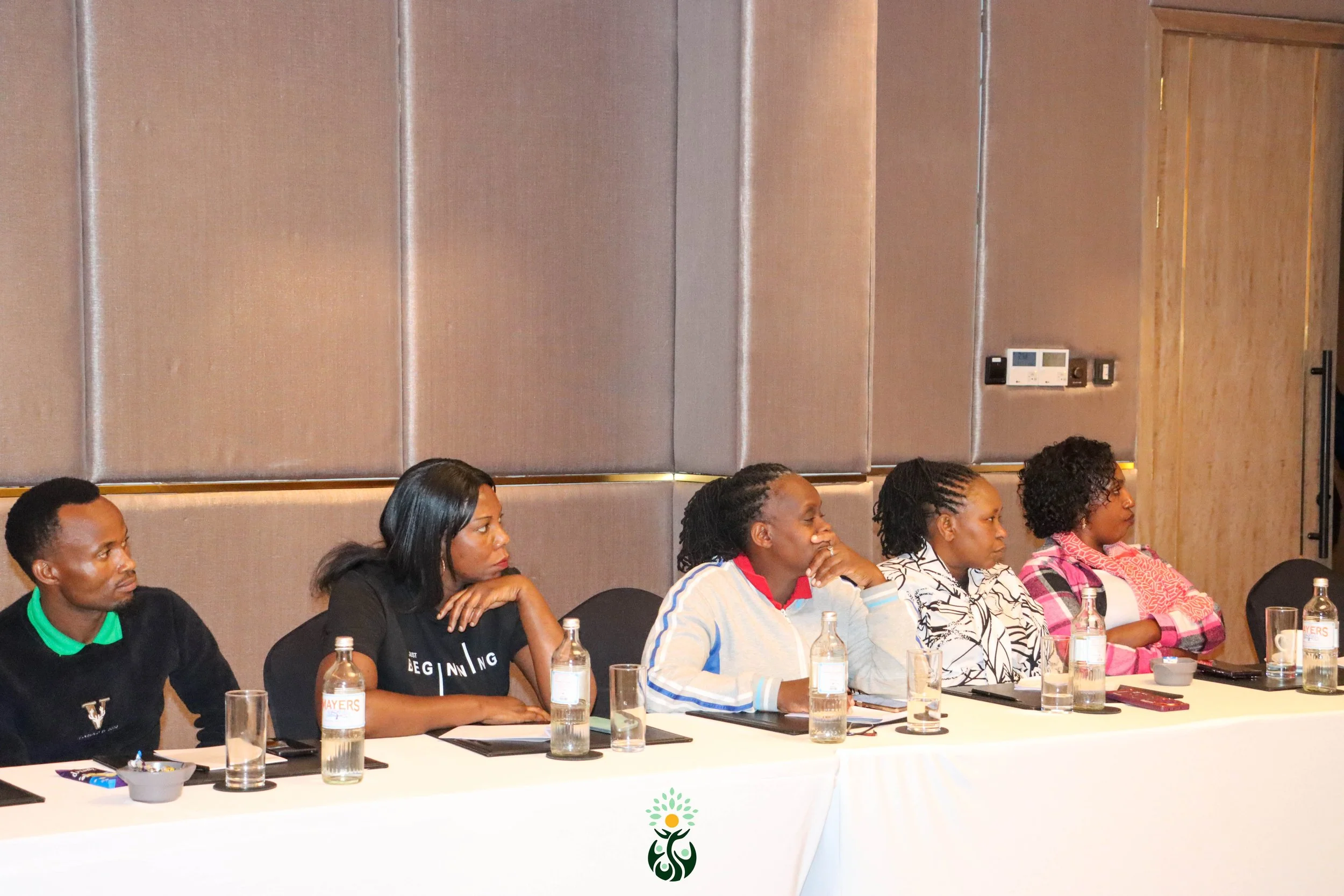
The conductor doesn't make the music alone. A conductor gives direction, listens, coordinates, recognises strength in others, and creates space for people to play their part. If a leader has to do everything themselves, Liz noted, they may be busy, but they are not necessarily leading.
Influence begins with listening. An orchestra where everyone plays but nobody listens becomes noise, and the same is true of any organisation. Leaders were asked to sit with an uncomfortable question: do the people around me feel heard, or merely instructed?
Harmony requires trust. Musicians cannot play well while worrying that someone else in the section will undermine them. Trust is what allows a team to disagree without becoming divided.
The goal is not individual brilliance, it is beautiful music. A soloist can impress an audience, but an orchestra creates something bigger. Leadership at its best isn't "look what I achieved," it's "look what we achieved together."
The session closed with each leader completing the sentence, "From today, I will lead with influence by…" and a leadership prayer asking for the wisdom to know when to speak, and the humility to listen.
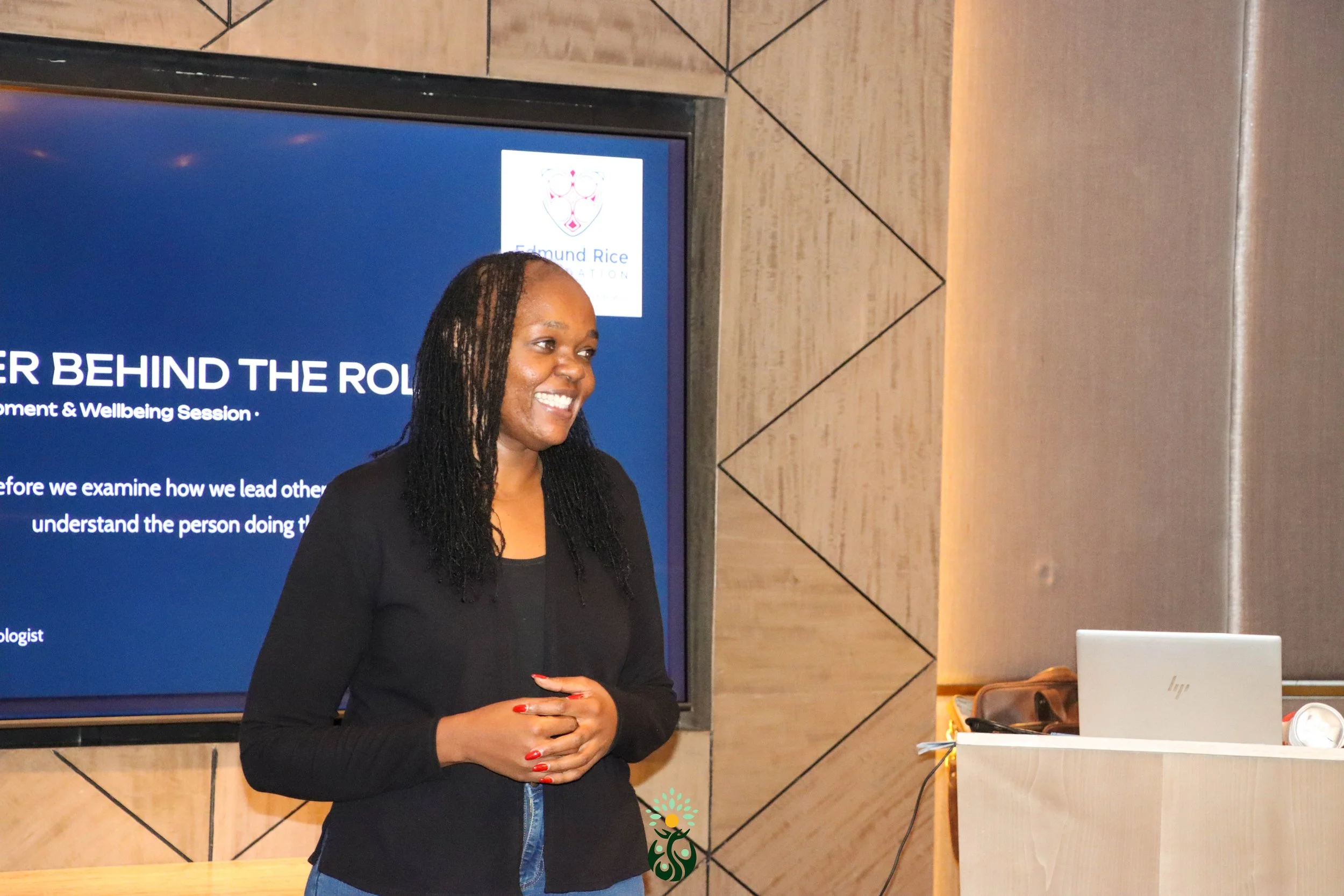
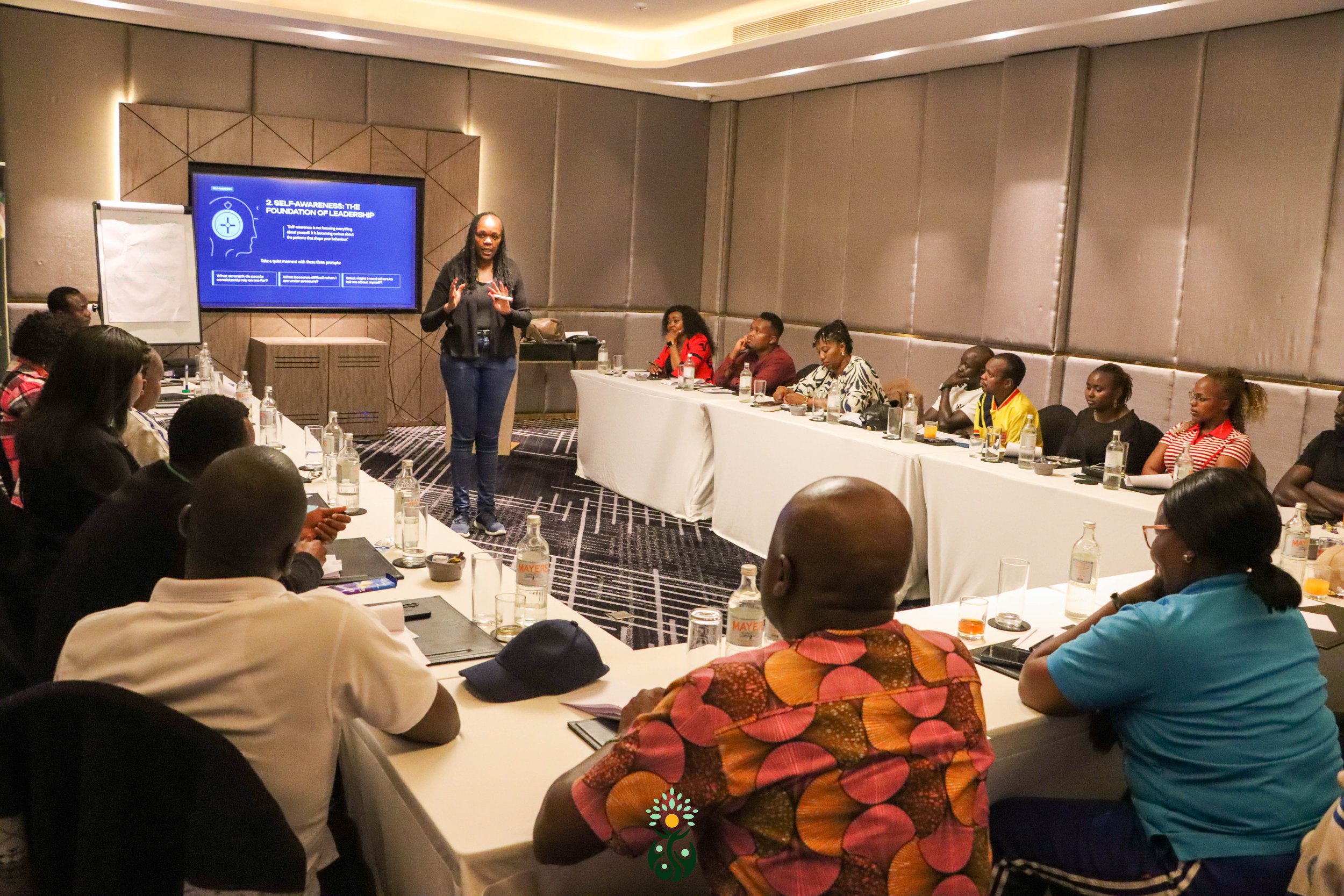
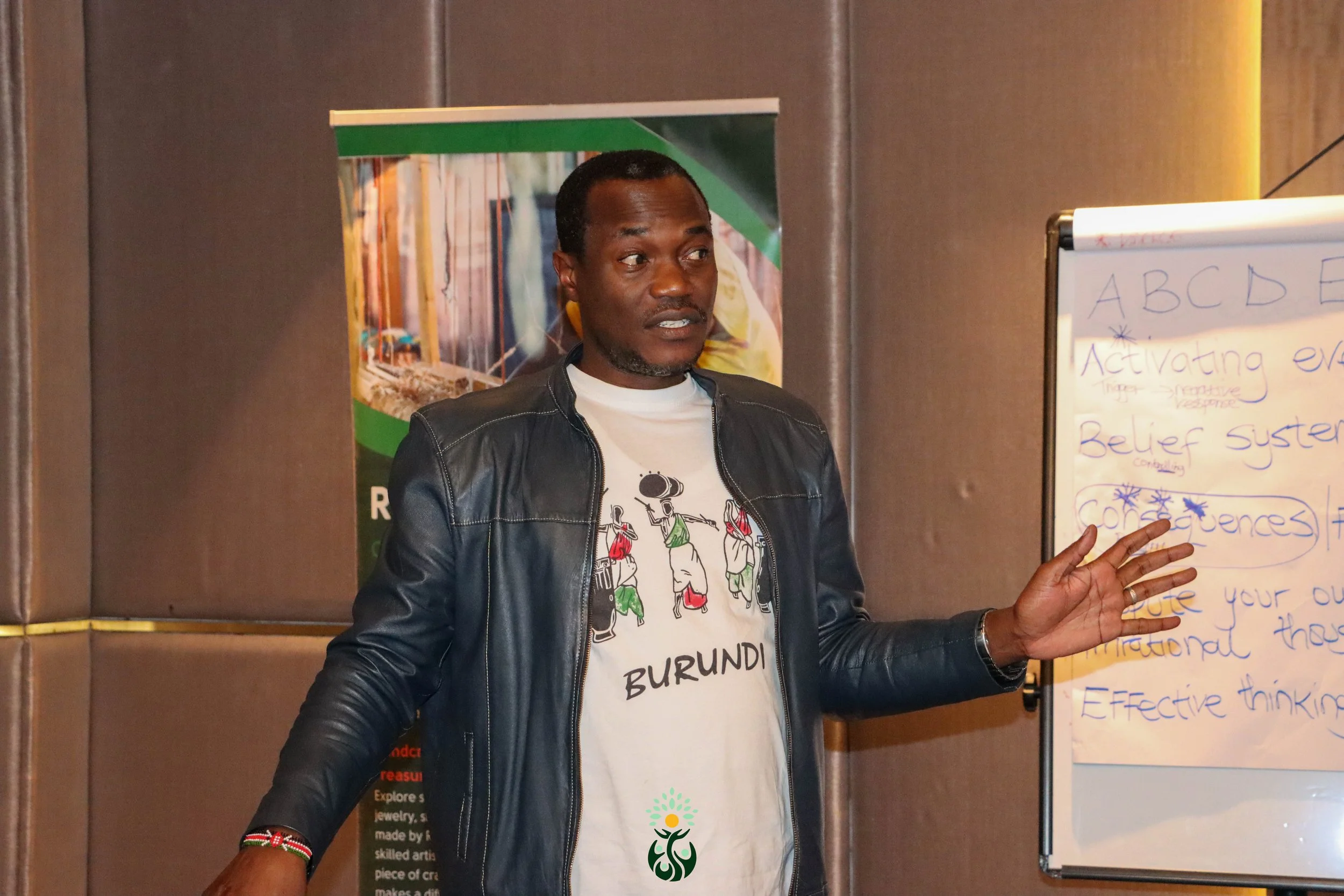
The second half of the day shifted from metaphor to mechanism. Karen Mwangi of Imela Ventures, a psychotherapist with over a decade of experience in workplace wellness, led the leaders through a session on the thinking patterns that shape how they lead under pressure.
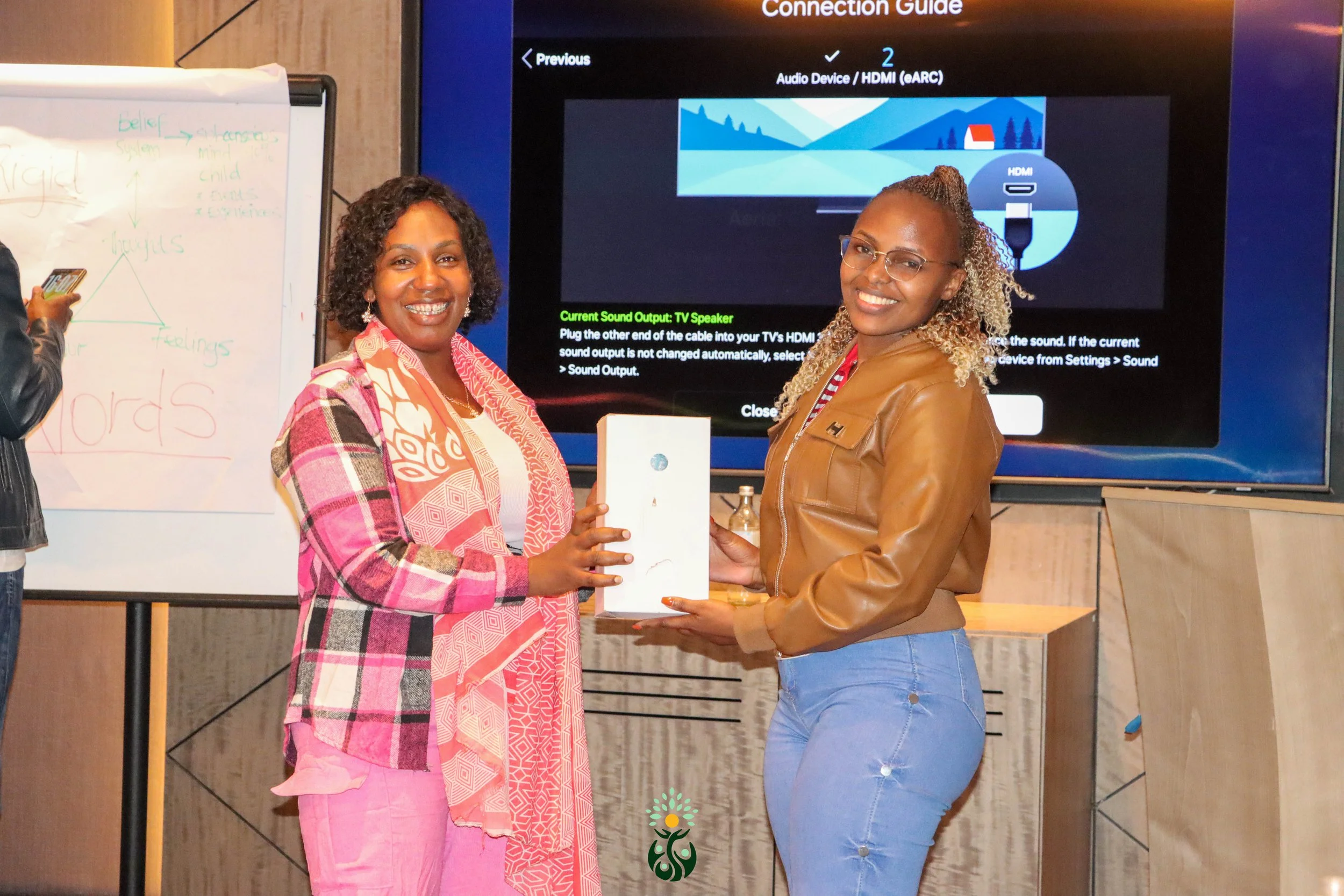
Karen opened by introducing a framework many leaders had never had named for them before: the connection between belief systems, thoughts, feelings, and behaviour, and how a rigid belief system, formed early and often shaped by childhood events and experiences, quietly steers the way adults respond to conflict, disappointment, and pressure today. At the centre of her diagram sat one word, drawn large enough to fill the page: words. What we tell ourselves, she stressed, becomes what we believe, which becomes how we act.
The session moved into the ABCDE model, a tool from rational emotive behaviour therapy that leaders can use in the moment a difficult situation triggers them. An activating event leads to a belief about that event, which produces the consequence, the feeling. The work of a mature leader, Karen explained, is to pause at that point and dispute the irrational thought before it hardens into a reaction, replacing it with more effective thinking that actually serves the goal at hand.
Karen then made the theory personal. She handed out paper and asked everyone to anonymously write down a question or issue weighing on them, whether personal or work related. One by one, she went through what people had written, working through each issue out loud with the room. It was in unpacking those real, anonymous struggles that she introduced the breakdown of the id, the ego, and the superego: the id chasing pleasure and reward, the superego acting as an internal moral police, and the ego caught in between, trying to hold both in balance against reality. Leadership, in Karen's telling, is largely the ego's job, staying grounded in what's real and reasonable, even when the id wants comfort and the superego wants perfection.
The line that stuck with people longest, though, came earlier in that same conversation: every expectation we hold over another human being is, in some form, an irrational thought. Karen didn't soften it. It sounds harsh at first, but for a room full of leaders, it landed as something closer to useful. If holding an expectation of someone else is inherently a little irrational, then it's worth thinking twice before engaging with or committing to something, rather than assuming the other person will simply meet you where you expect them to.
Both sessions returned to the same idea from different directions: leadership is less about being the loudest voice in the room, and more about the quality of listening, trust, and self-awareness a person brings into it. As the Director put it, the question worth asking each morning isn't "how can I be the loudest voice?" It's "how can I help us create better music together?"
By: Gregory Barake