Stepping Beyond Our Walls: A Learning Visit to Sister Projects
The air at Ruben Centre is always buzzing with activity, but last Friday, our Project Coordinators stepped away from their daily routines for a powerful learning experience—visiting two of our sister projects, Edmund Rice Centre Nairobi and Edmund Rice Catholic Education Centre. The visit was more than just a tour; it was a moment of reflection, discovery, and renewed appreciation of the broader impact of the Edmund Rice mission.
Innovation and Learning at Edmund Rice Centre Nairobi
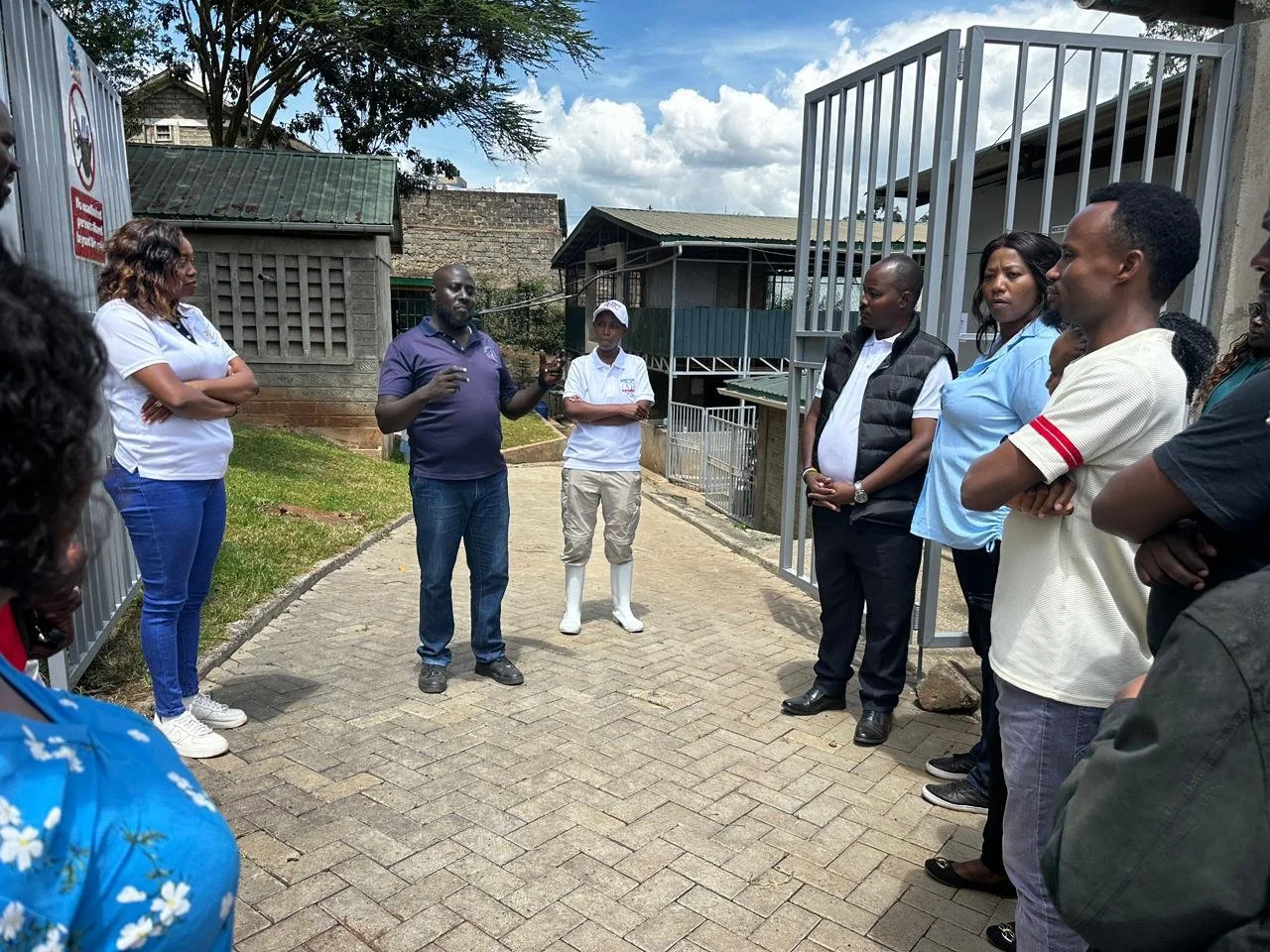
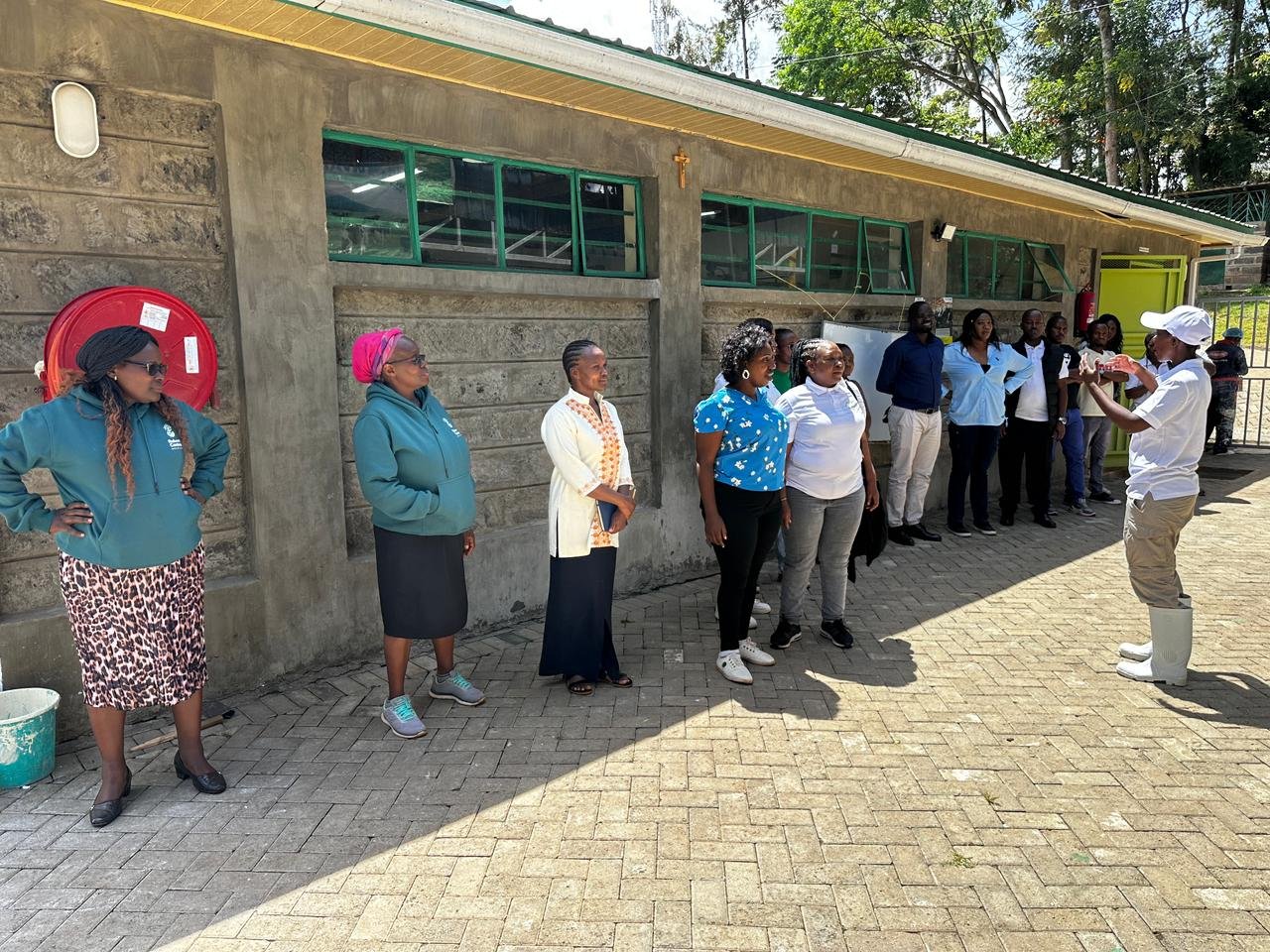
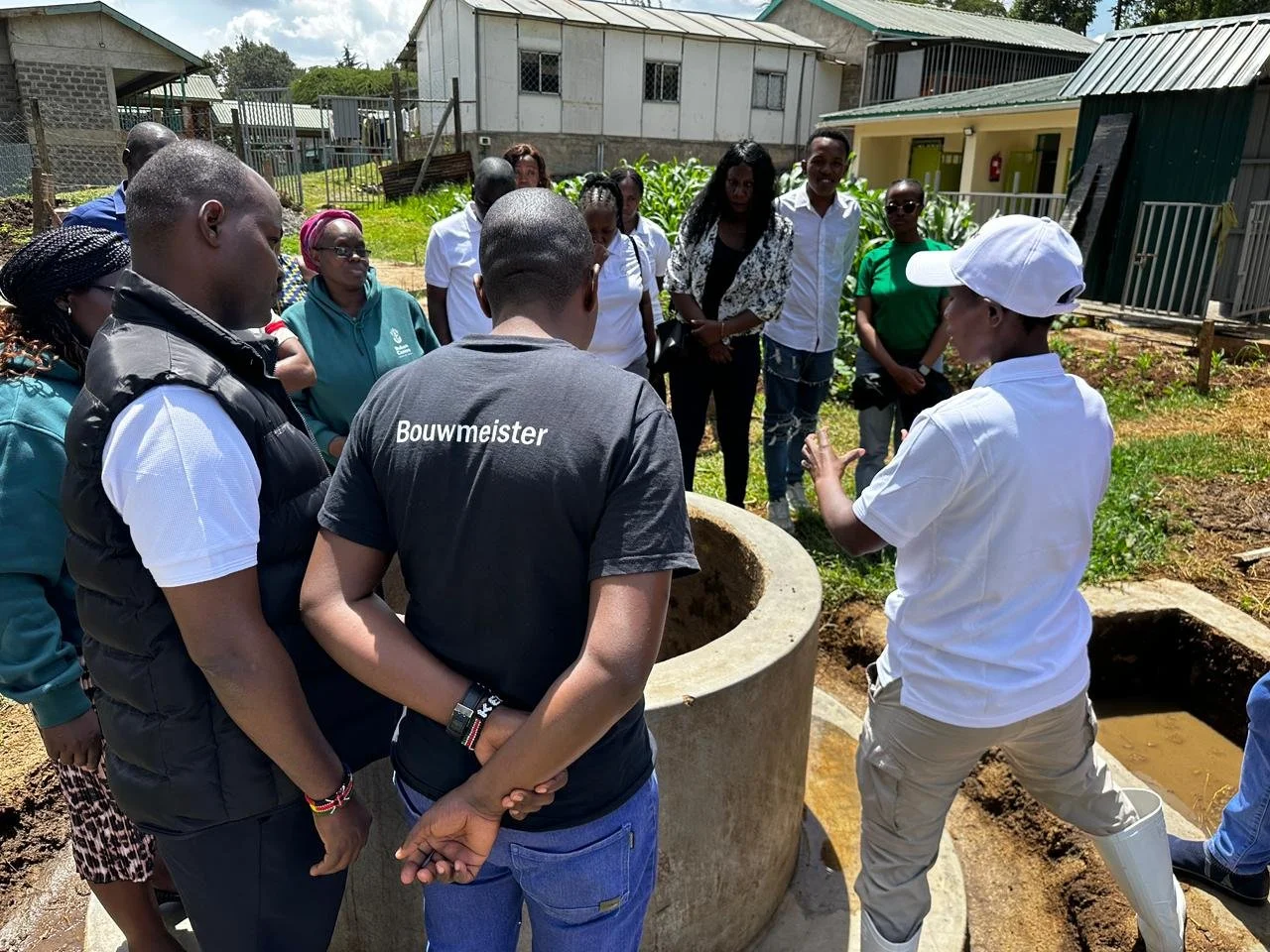
Our team being briefed by Fidelis
The day began in Kibra at Edmund Rice Centre Nairobi, where the team was warmly received and taken through a transformative journey in urban farming. Guided by the Farm Manager, Fidelis, the coordinators explored vibrant demonstration gardens that showcased a blend of sustainability, innovation, and practicality.
What stood out was how agriculture had been reimagined—not just as a source of food, but as a tool for education, creativity, and empowerment. From the creative use of pigeon peas as ornamental landscaping to the concept of a “floating garden” developed in partnership with Gravity, the projects demonstrated how limited urban spaces can be maximized for productivity.
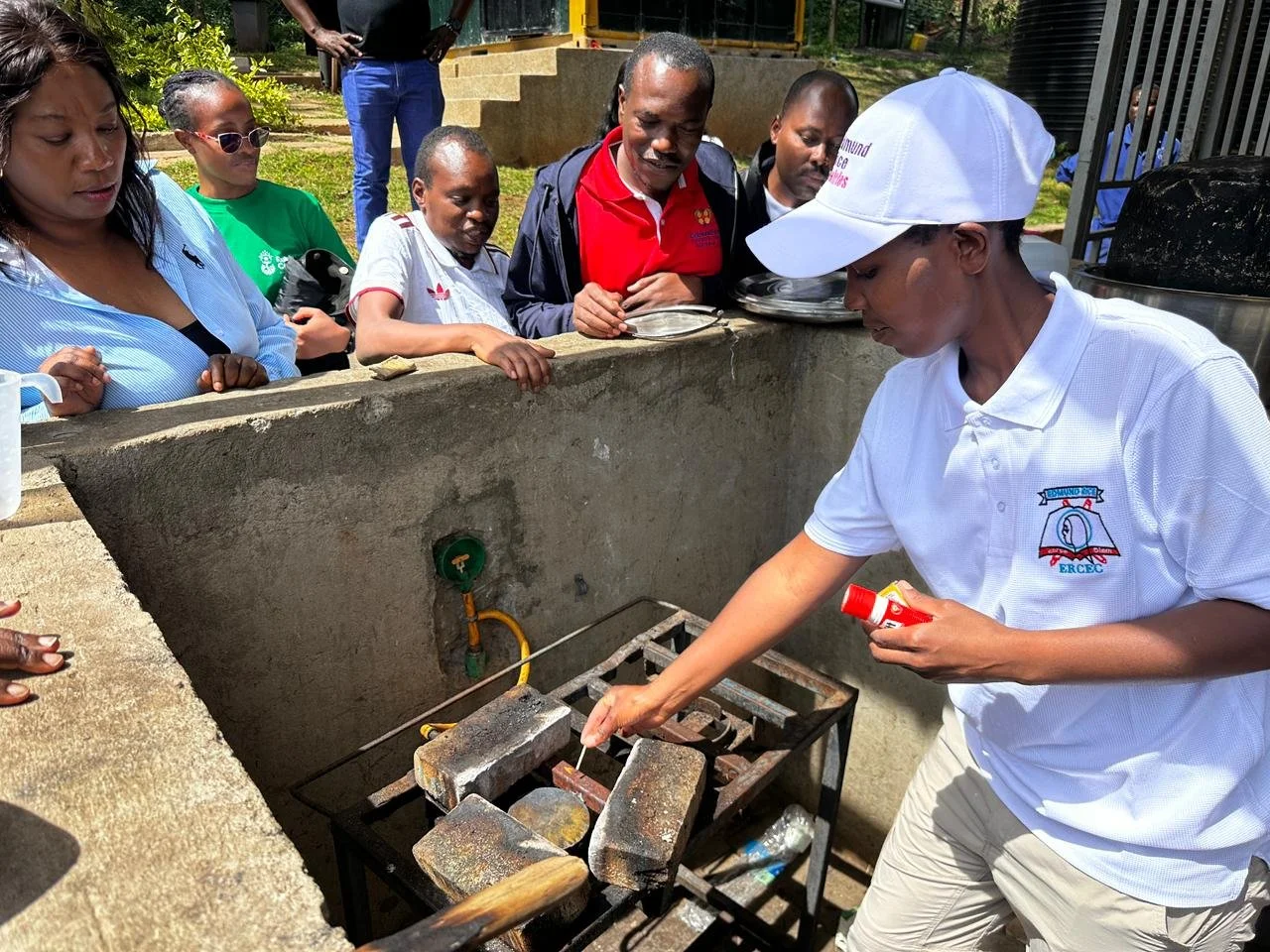
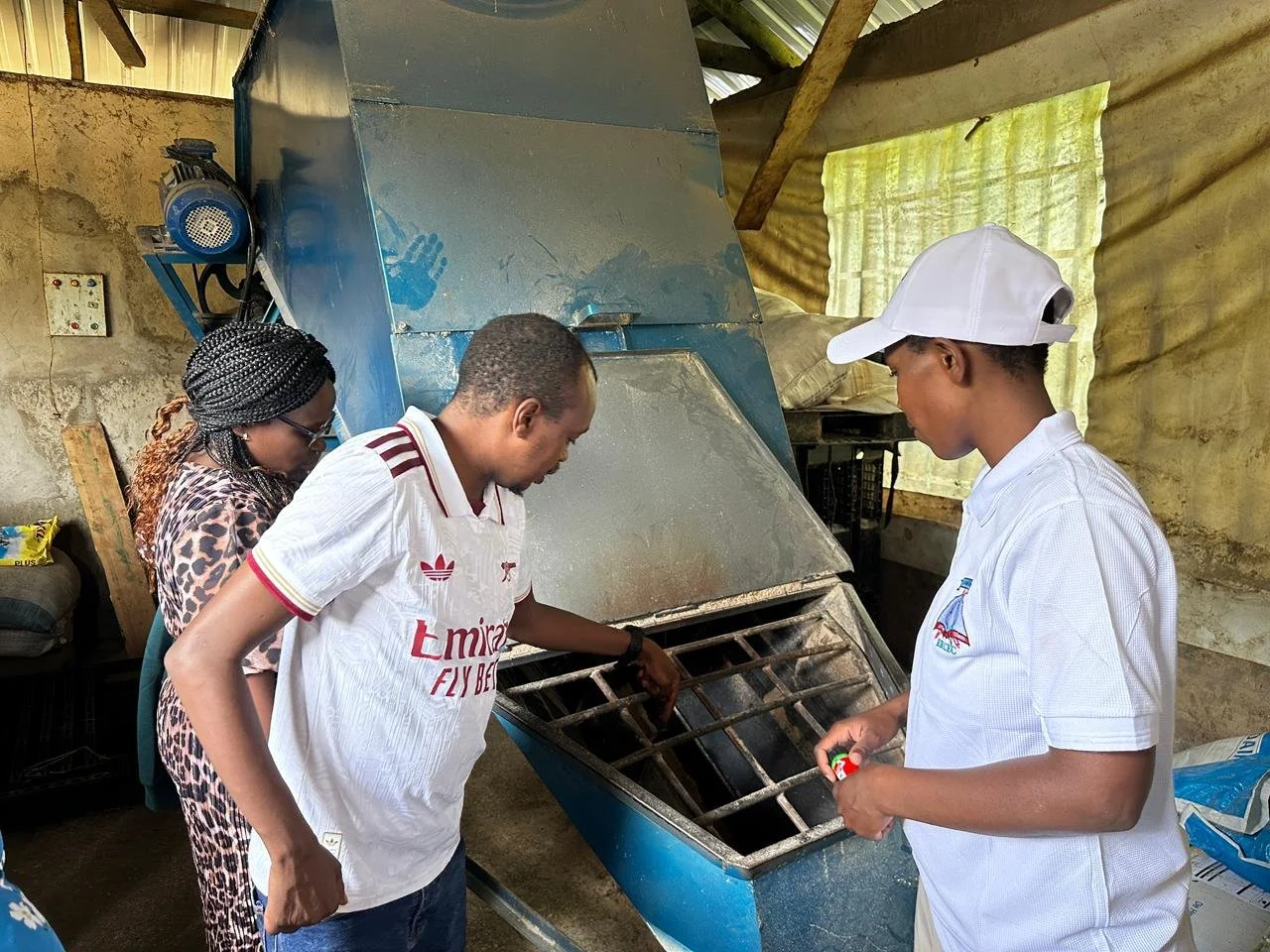
Equally impactful was the focus on nutrition and science. The team learned about pre-germination of wheat, a technique that enhances nutrient value for both livestock and human consumption. More importantly, ERCN emphasized hands-on learning, ensuring that students actively engage in farming practices—bridging the gap between theory and real-life application.
Growth and Sustainability at Edmund Rice Catholic Education Centre
The journey then continued to Ngong, where the team visited Edmund Rice Catholic Education Centre—a project that powerfully illustrates growth, discipline, and sustainability in action.
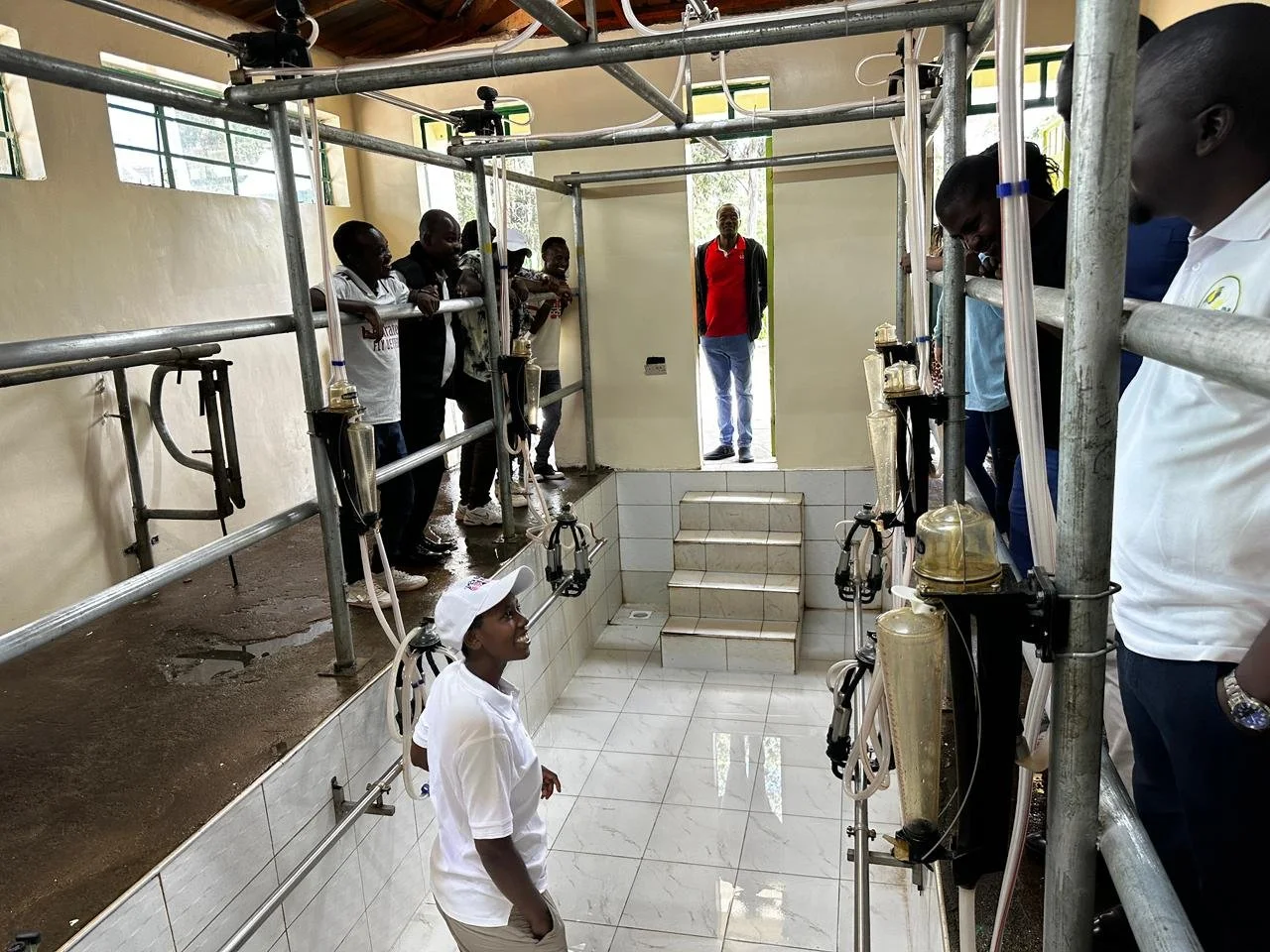
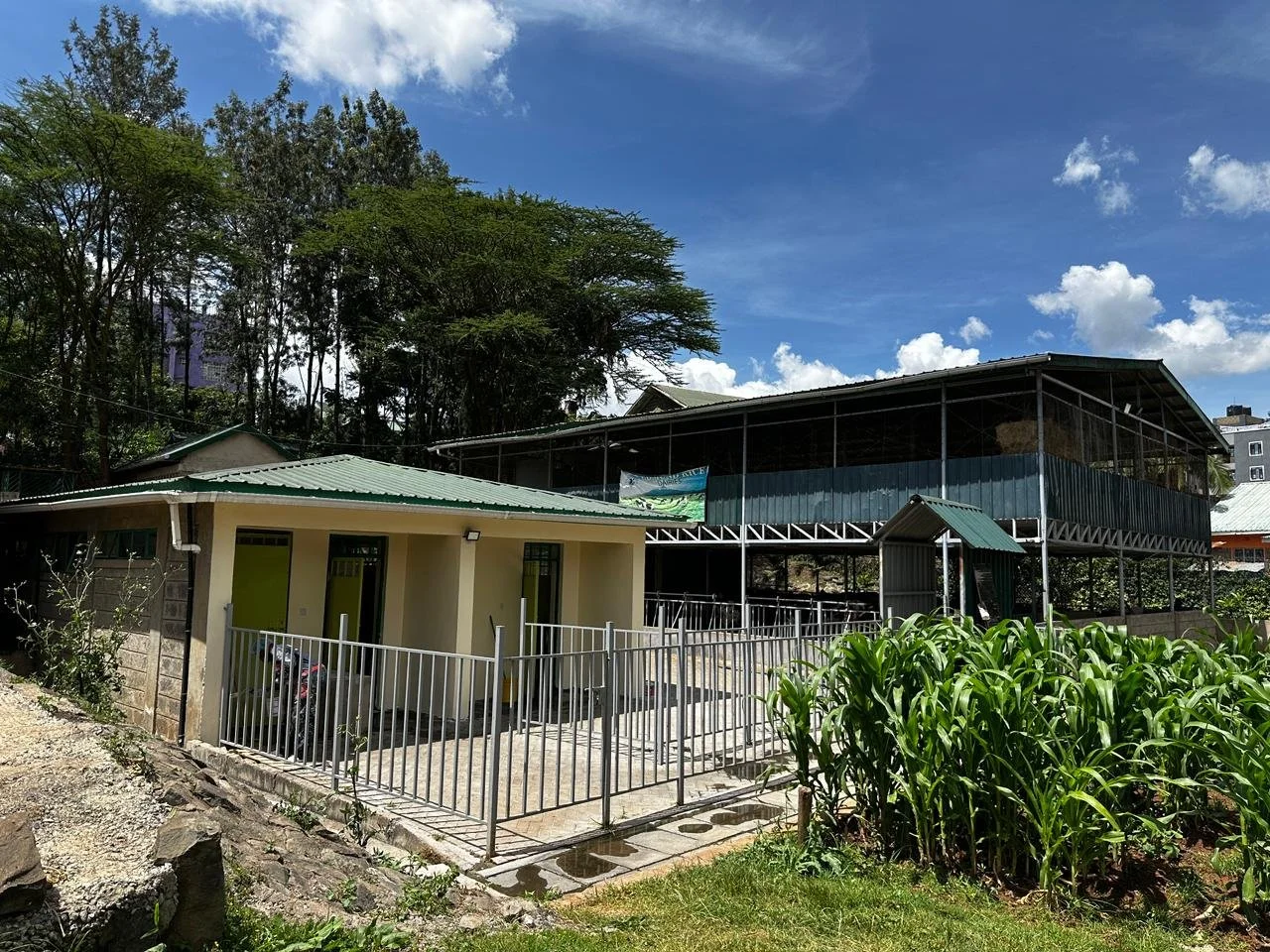
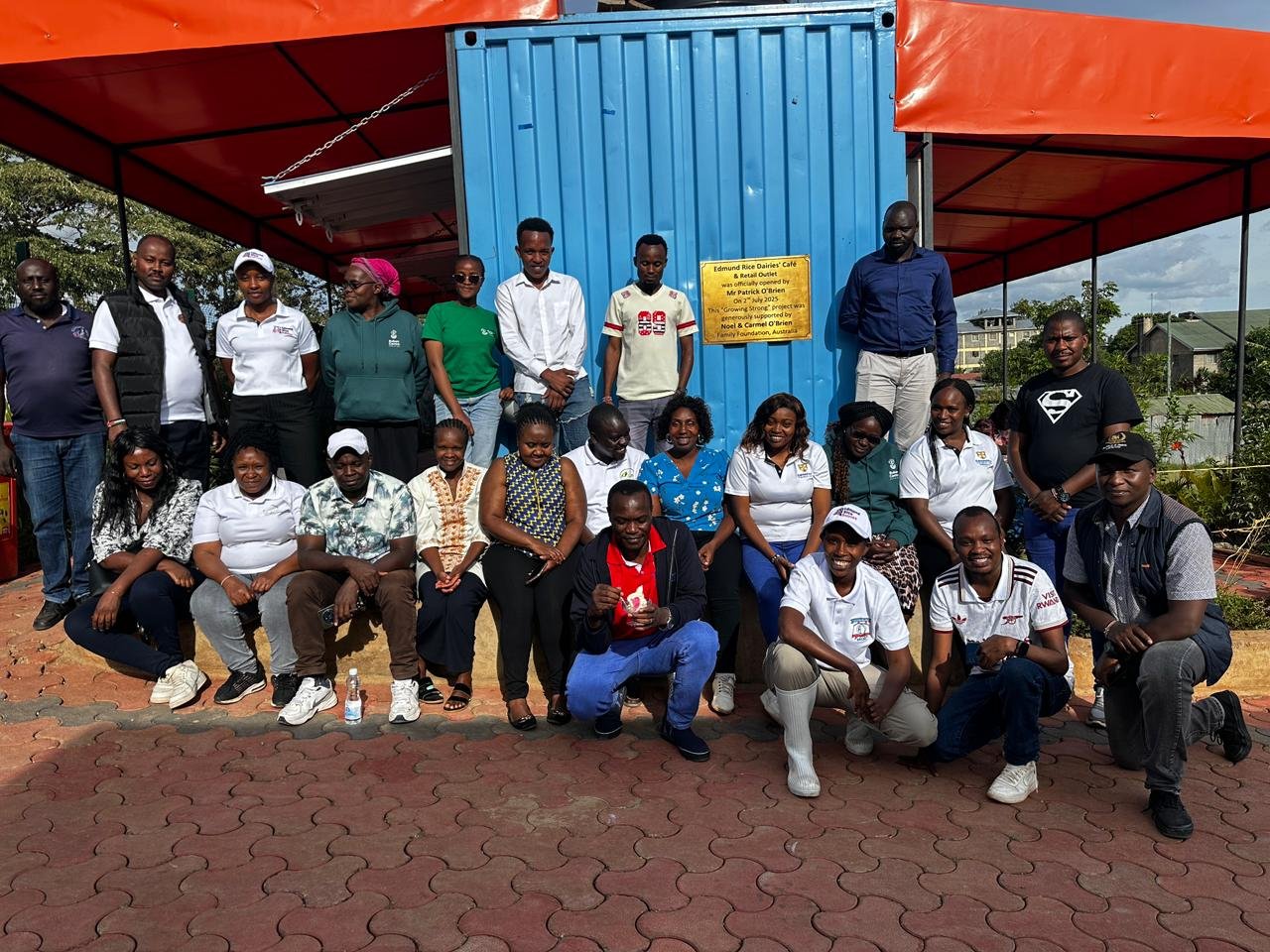
The team at the dairy ptoject
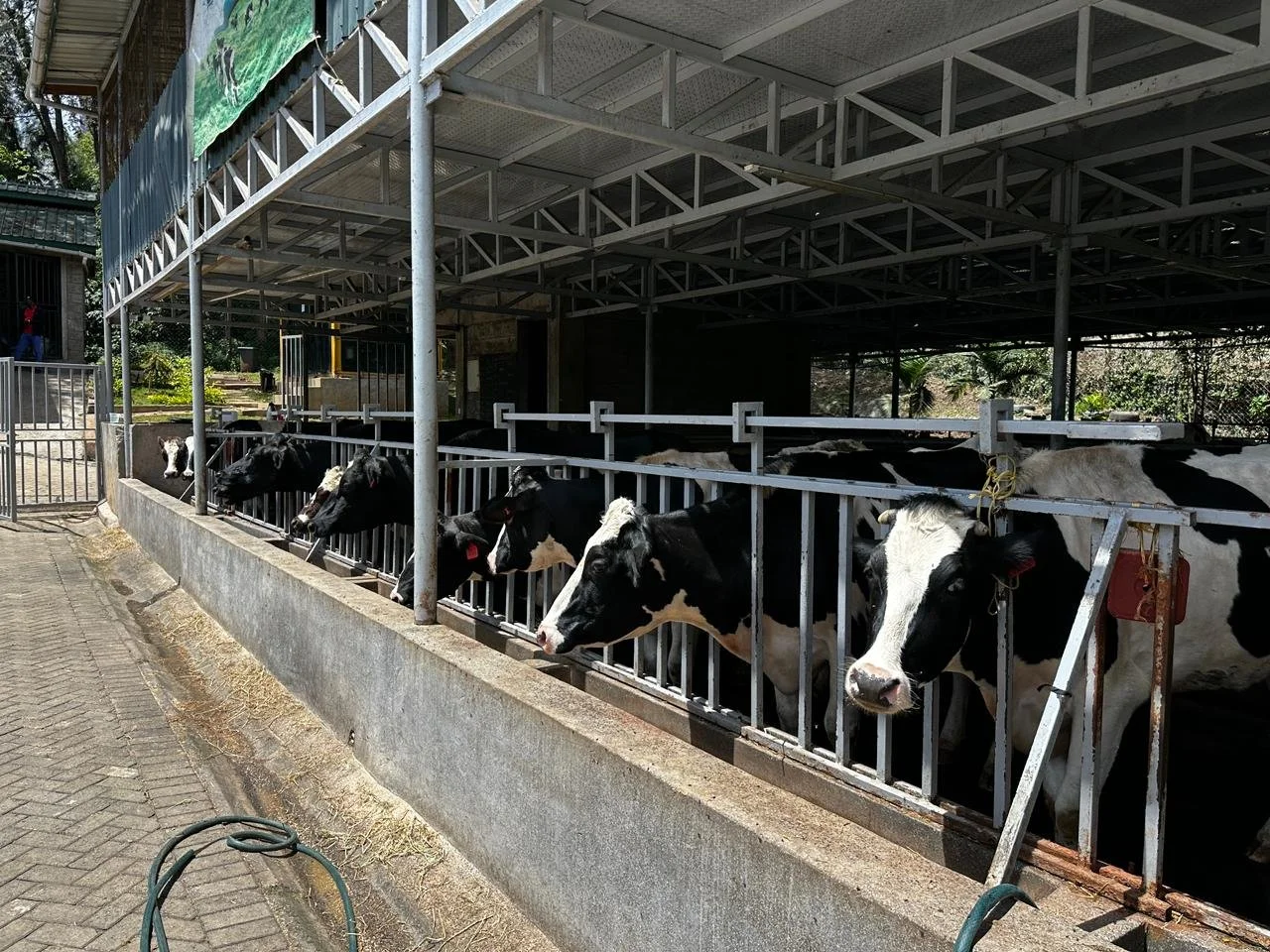
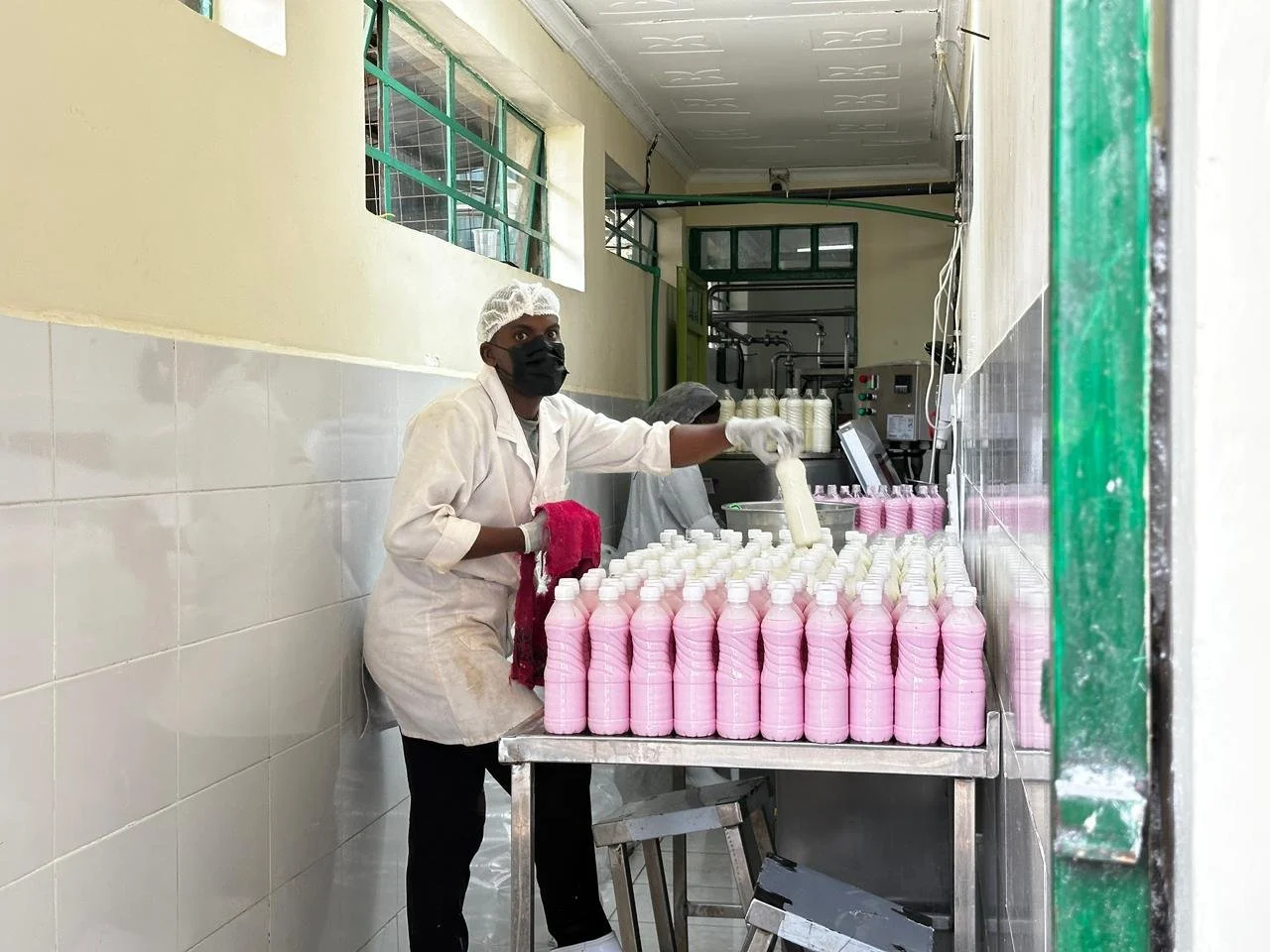
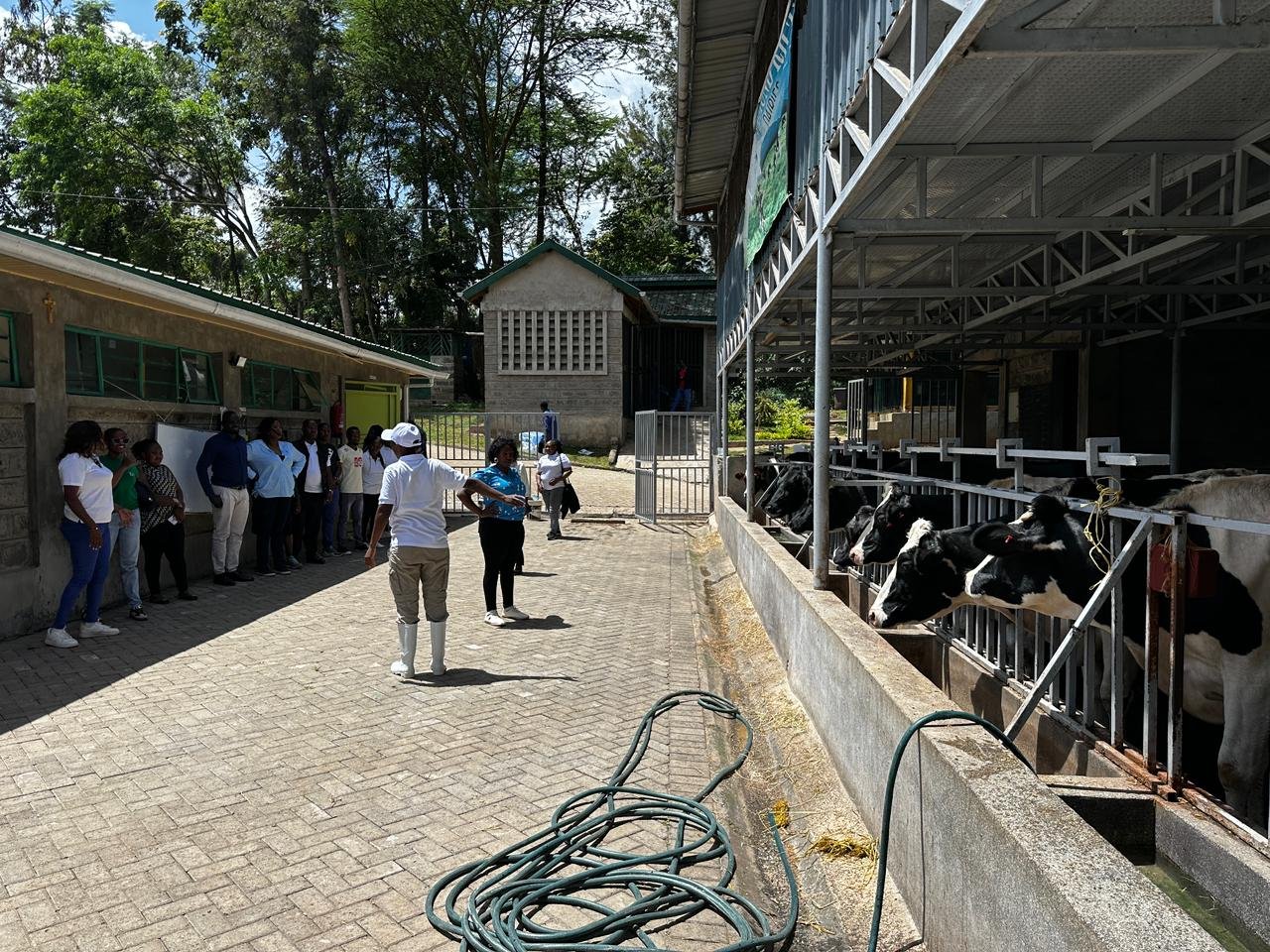
What began in 2016 with just two cows has, through the support of Edmund Rice Foundation, evolved into an ultra-modern dairy operation. Today, the project boasts a thriving herd, including 27 heifers and calves and 16 milking cows, producing approximately 260 liters of milk per day, with each cow averaging close to 19 liters.
Beyond the numbers, it was the systems and discipline that left a lasting impression. The day at the dairy begins as early as 4:00 AM, with structured routines of milking, feeding, and cleaning repeated three times daily. This level of consistency has contributed to the success of the project, including a highly efficient biogas system—recognized among the most successful in Kenya—operating at an impressive capacity.
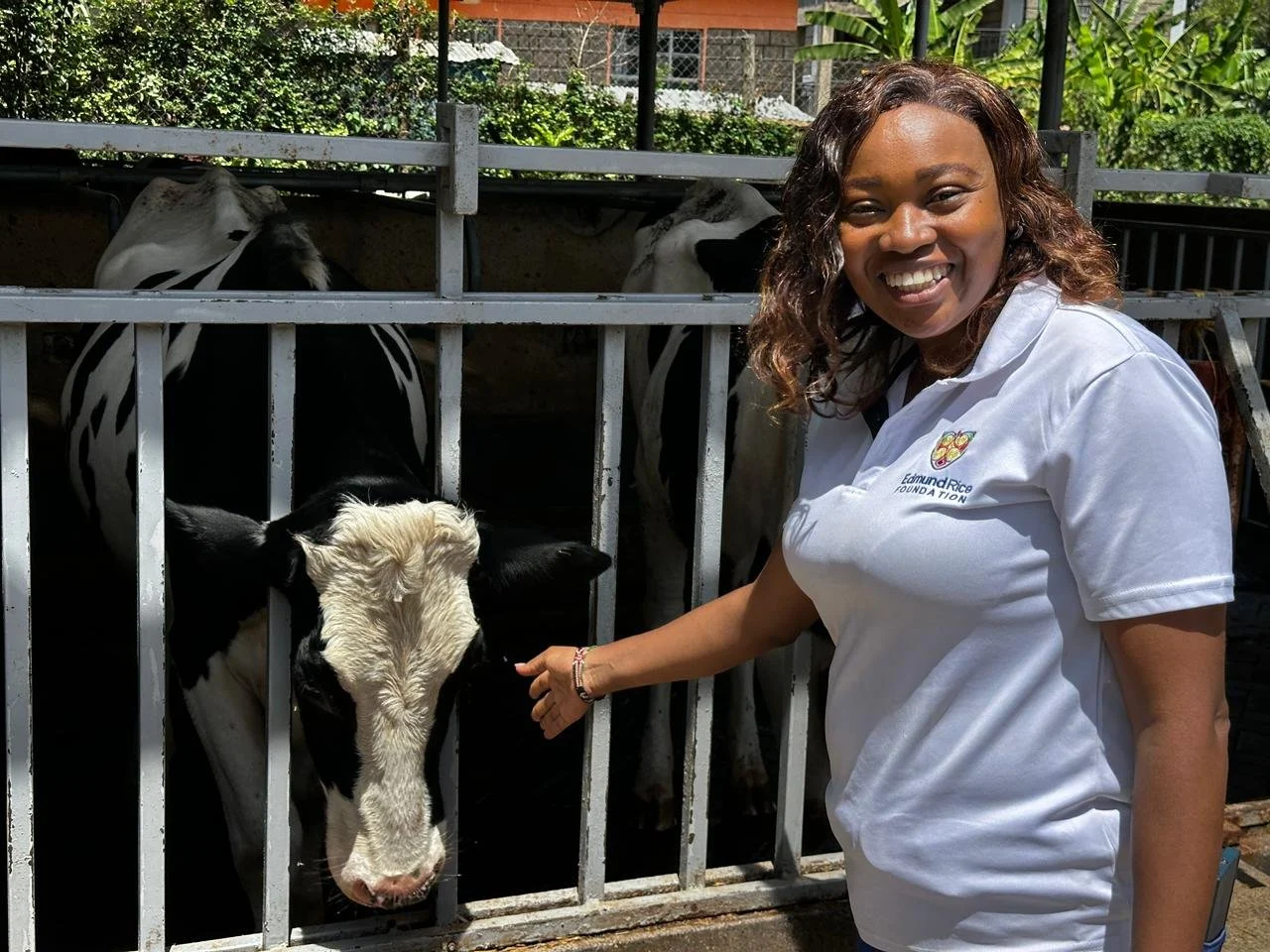
A memorable highlight was the “Adopt a Cow” initiative, where the coordinators had the opportunity to meet “Liz the Cow,” a favorite among staff. The dairy project stood out not only as a source of nutrition and income but also as a learning hub, demonstrating how sustainability initiatives can be integrated into education and community development.
Reflections from the Team
The visit sparked deep reflection among the coordinators. Our director, reminded the team that these thriving projects are a byproduct of Ruben Centre’s vision, highlighting how far the mission has grown and expanded.
Frankline from the finance department captured the essence of the experience with a simple yet powerful analogy: “If you don’t move around, you will think your mom is the best chef.” His words resonated with many, who appreciated the rare opportunity to step out of their comfort zones and gain new perspectives.
As the team returned to Ruben Centre, they carried with them more than just knowledge—they brought back renewed energy, inspiration, and pride in being part of a larger movement. The visit reaffirmed the importance of collaboration, innovation, and continuous learning in driving meaningful impact.
At Ruben Centre, we believe that growth does not happen in isolation. By stepping beyond our walls and learning from one another, we continue to strengthen our mission of building a just and empowered community.
Story by: Ben Kagwima