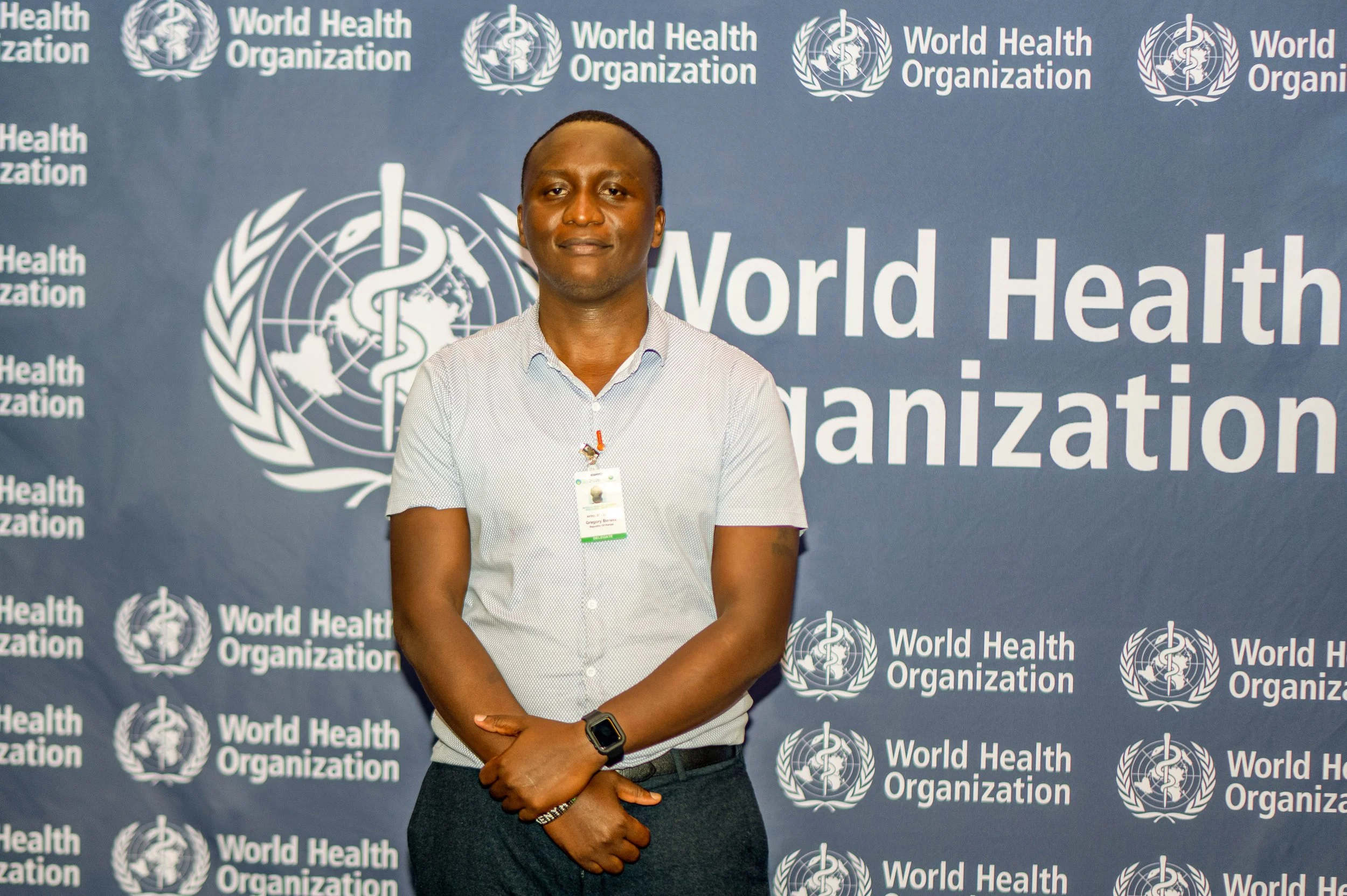
Insights from the 2026 Regional World Health Summit
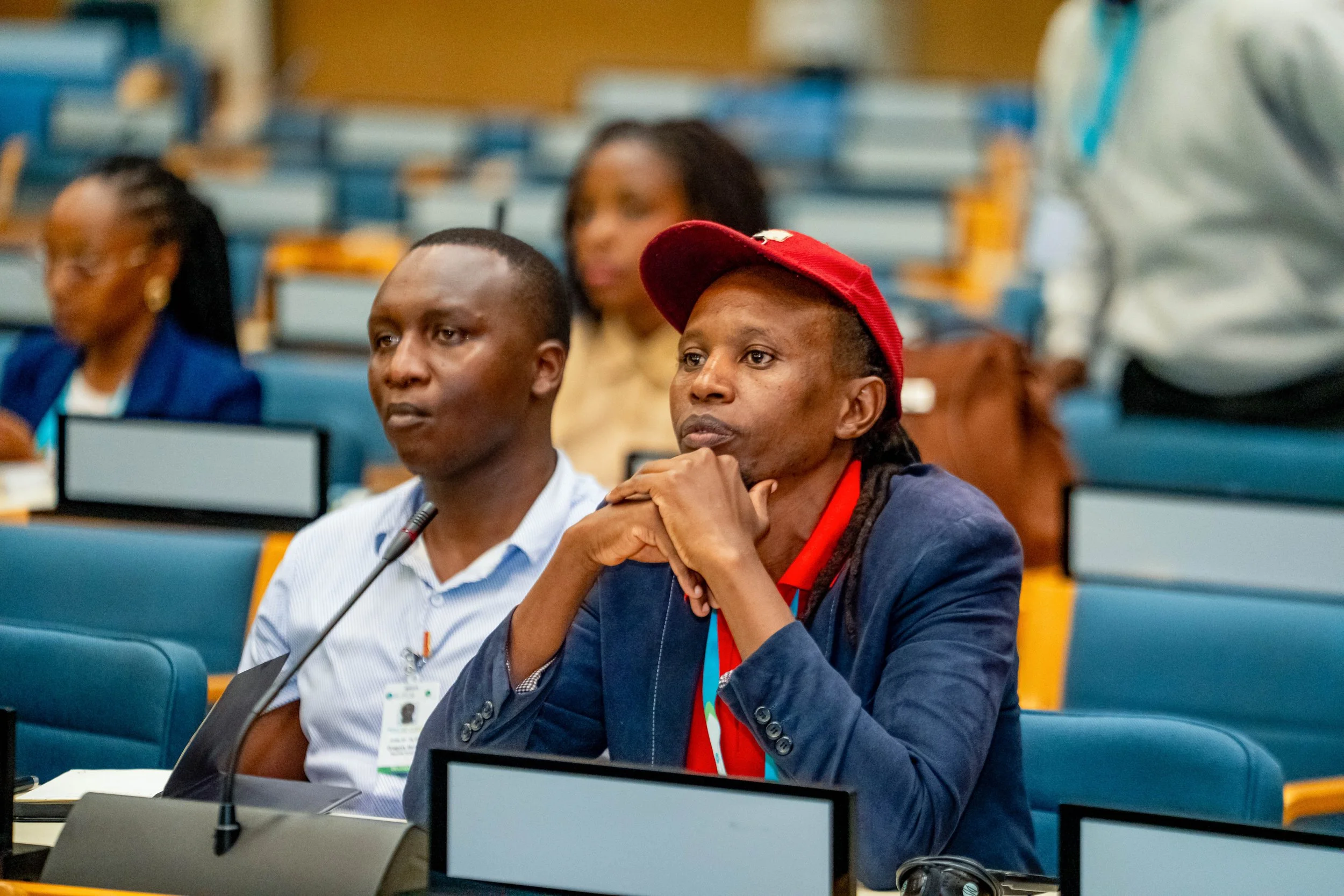
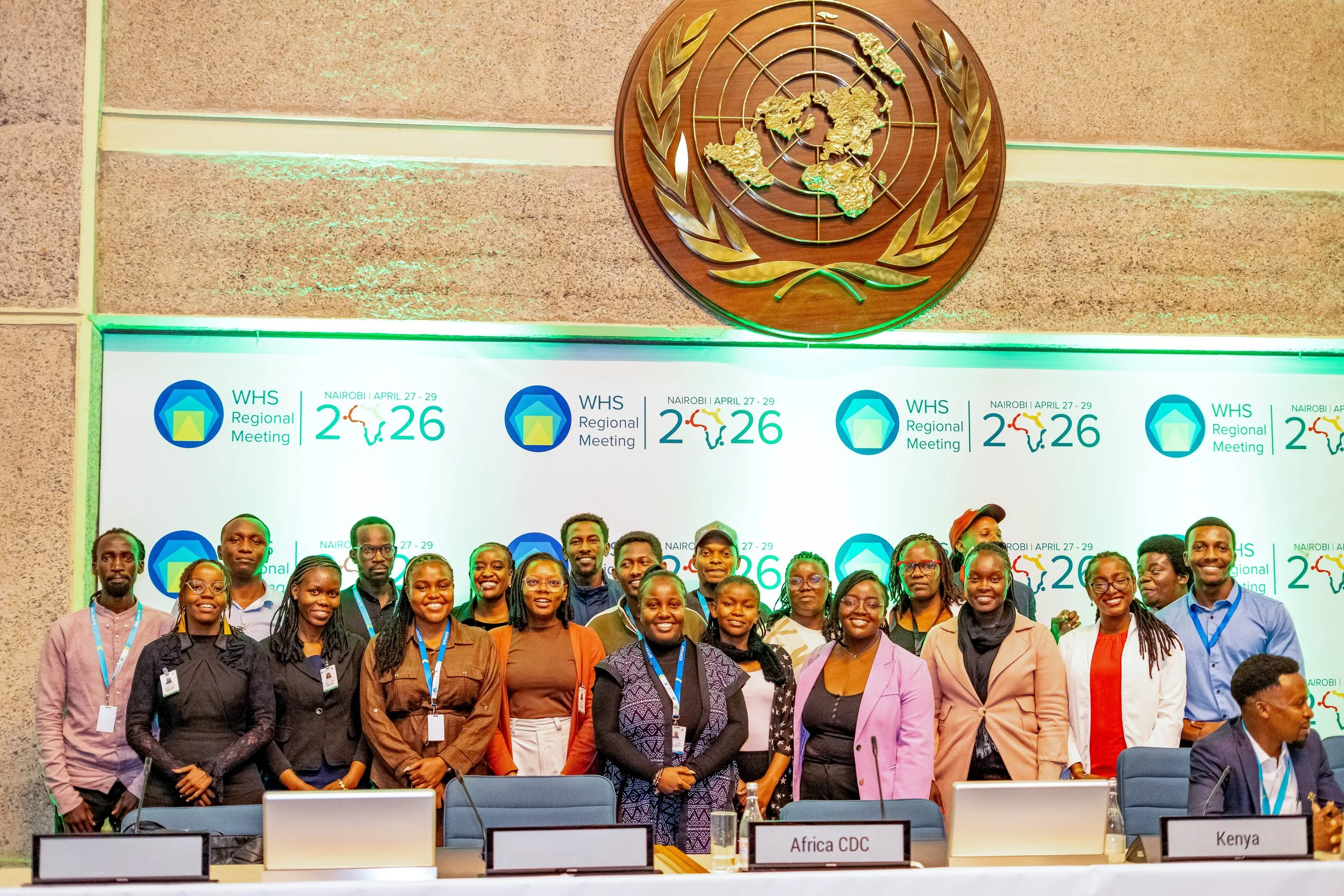
The United Nations offices in Gigiri recently served as the epicenter for one of the most critical dialogues of our time: the Regional World Health Summit 2026. Representing Ruben Centre, I joined global health leaders, innovators, and advocates from April 27th to 29th to explore the future of healthcare in Africa. While the long security queues were a test of patience, the sessions offered a profound look at how technology, youth leadership, and data-driven policy must converge to save lives.
AI and Digital Health: Beyond the Hype
A recurring theme throughout the summit was the intersection of human empathy and technological innovation. In the digital health space, the consensus was clear: Africa doesn’t just need more tech; we need infrastructure built for our specific challenges.
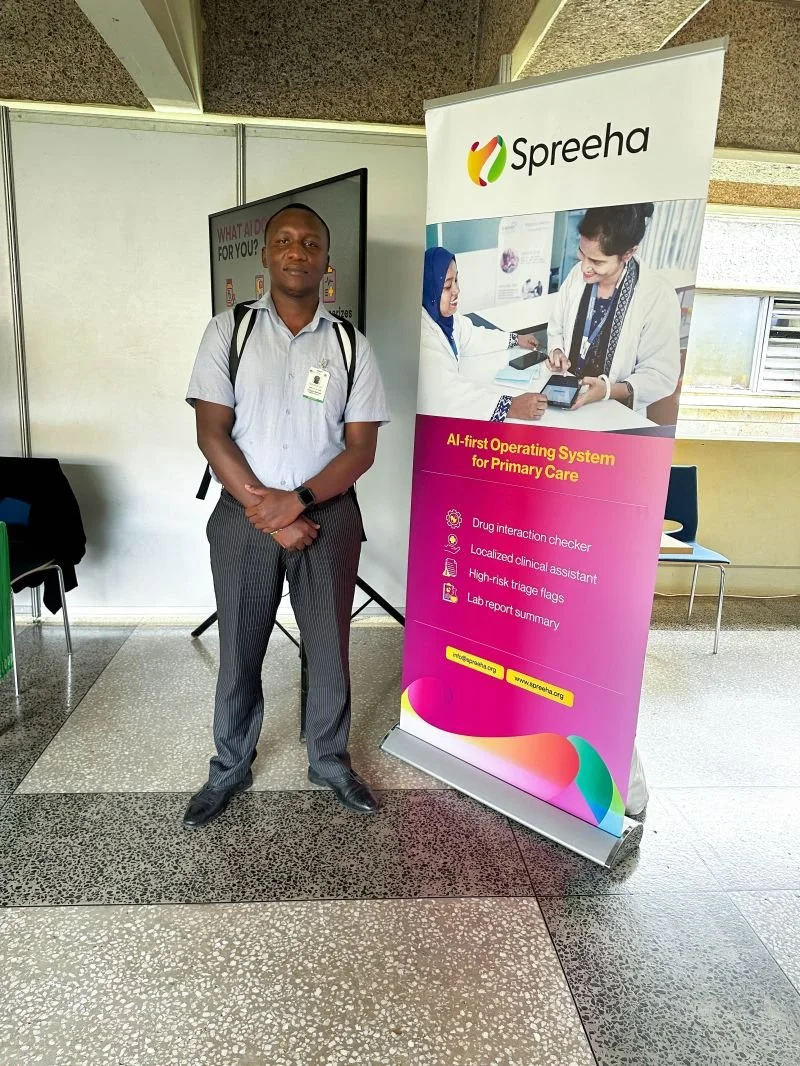
I had the opportunity to learn about the Spreeha Foundation’s work in Bangladesh, where AI is being piloted to provide high-quality care in regions where medical consultations often last less than a minute. This resonated deeply with our context in Kenya, where clinical officers often see double the recommended limit of patients.
In sessions regarding mental health, the takeaway was sobering but motivating. We must move away from "one-size-fits-all" models and embrace AI integration that is governed by local policy to mitigate risks and support safe, specialized care.
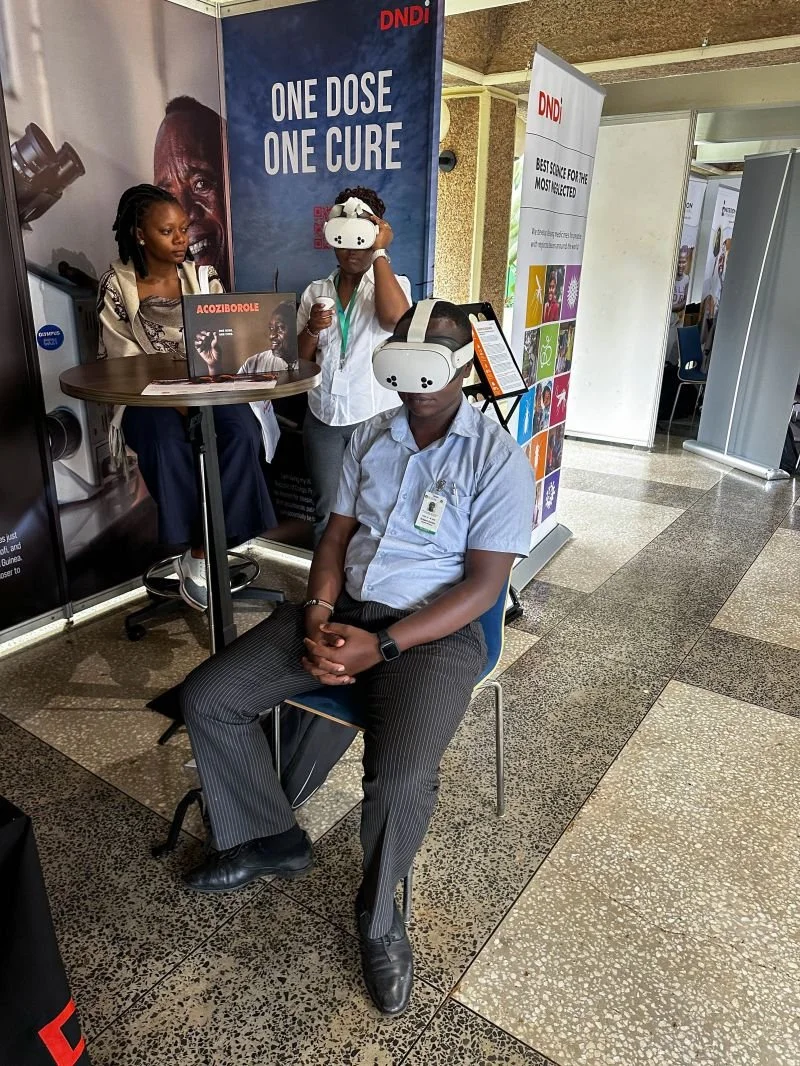
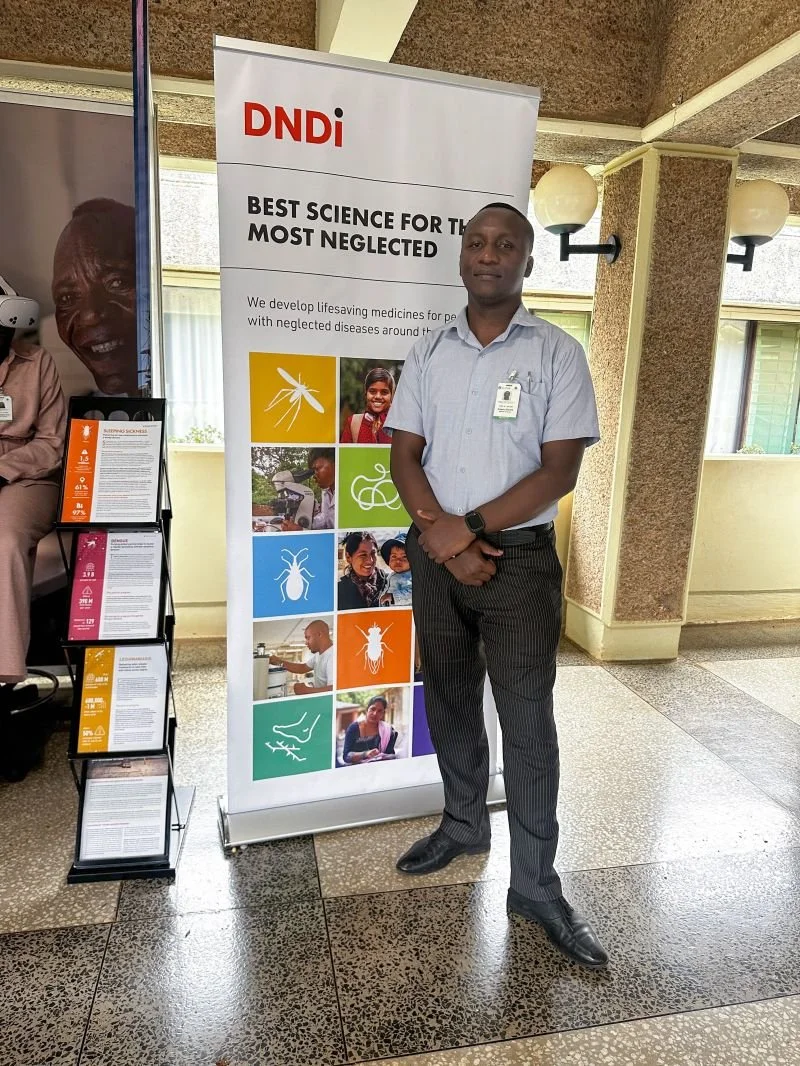
Reconnecting with a friend from Drugs for Neglected Diseases initiative (DNDi), I experienced firsthand—through Virtual Reality technology—the impact of Acoziborole, a single-dose medication for sleeping sickness. It was a stark reminder that clinical success must be met with the removal of bureaucratic hurdles to get life-saving treatments to the people who need them most.
Youth: The Changemakers of Today
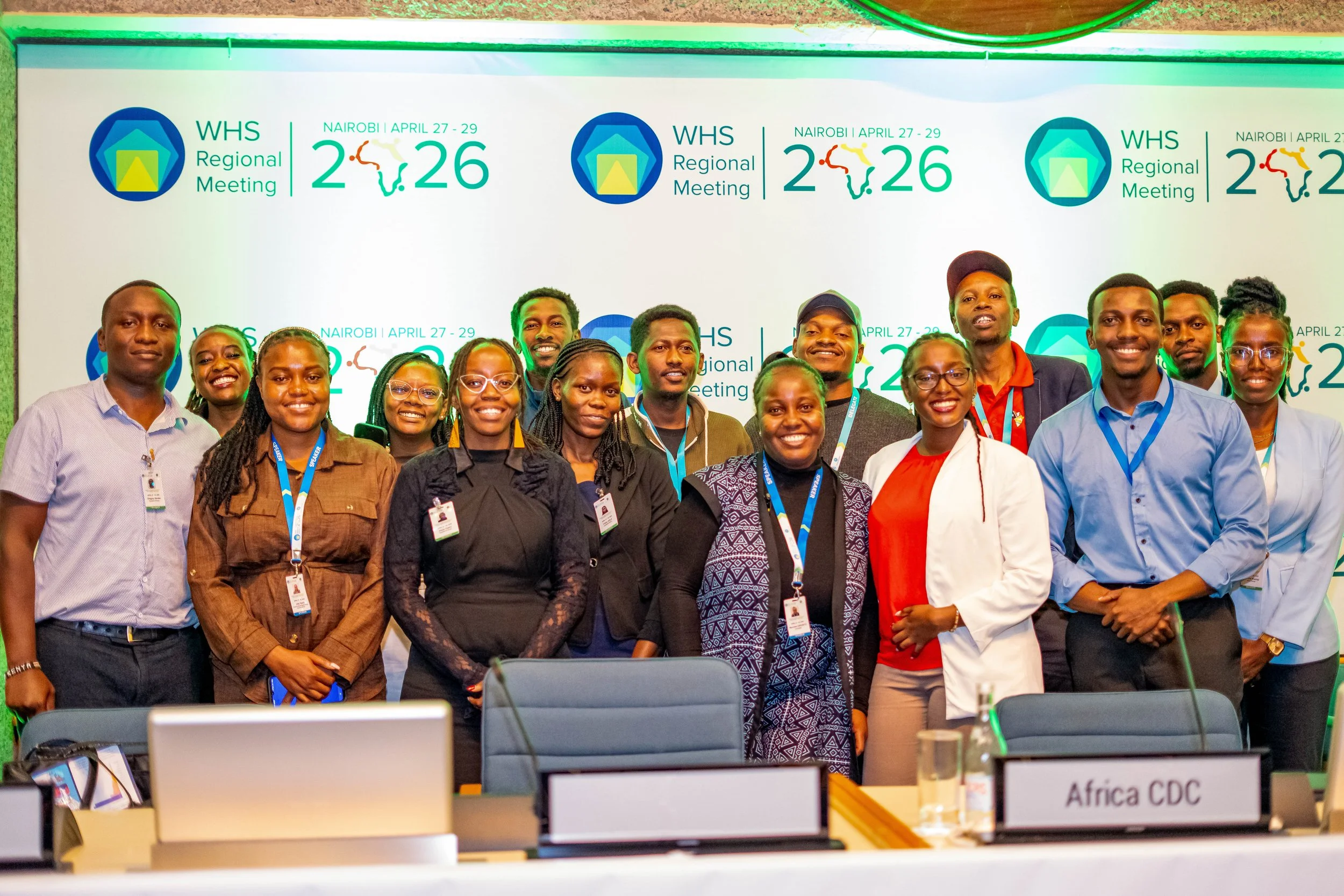
It was a proud moment to witness the Youth For Mental Health (Y4MH) team leading high-level sessions on health financing and digital health. With 70% of Sub-Saharan Africa under the age of 30, the message was loud and clear: Young people are not just future leaders; they are the changemakers of today.
However, for youth input to be effective, we must move beyond merely "showing up." We must package our initiatives better, stay in the room until implementation, and demand intergenerational dialogues that break down professional silos.
The Reality of Maternal and Child Health
The final day brought the focus back to a critical area for our work at Ruben Centre: Women’s and Children’s Health. Despite years of intervention, Africa still accounts for 70% of maternal deaths globally.
Data presented by Mutono Nyamai regarding Kenya’s progress (2016–2025) highlighted a vital distinction: presence does not equal quality. While skilled birth attendance has risen to 79%, we must prioritize structural readiness. To truly move the needle, every facility must have the necessary equipment, trained personnel, and a consistent supply of medical commodities.
Bringing it Home to Ruben Centre
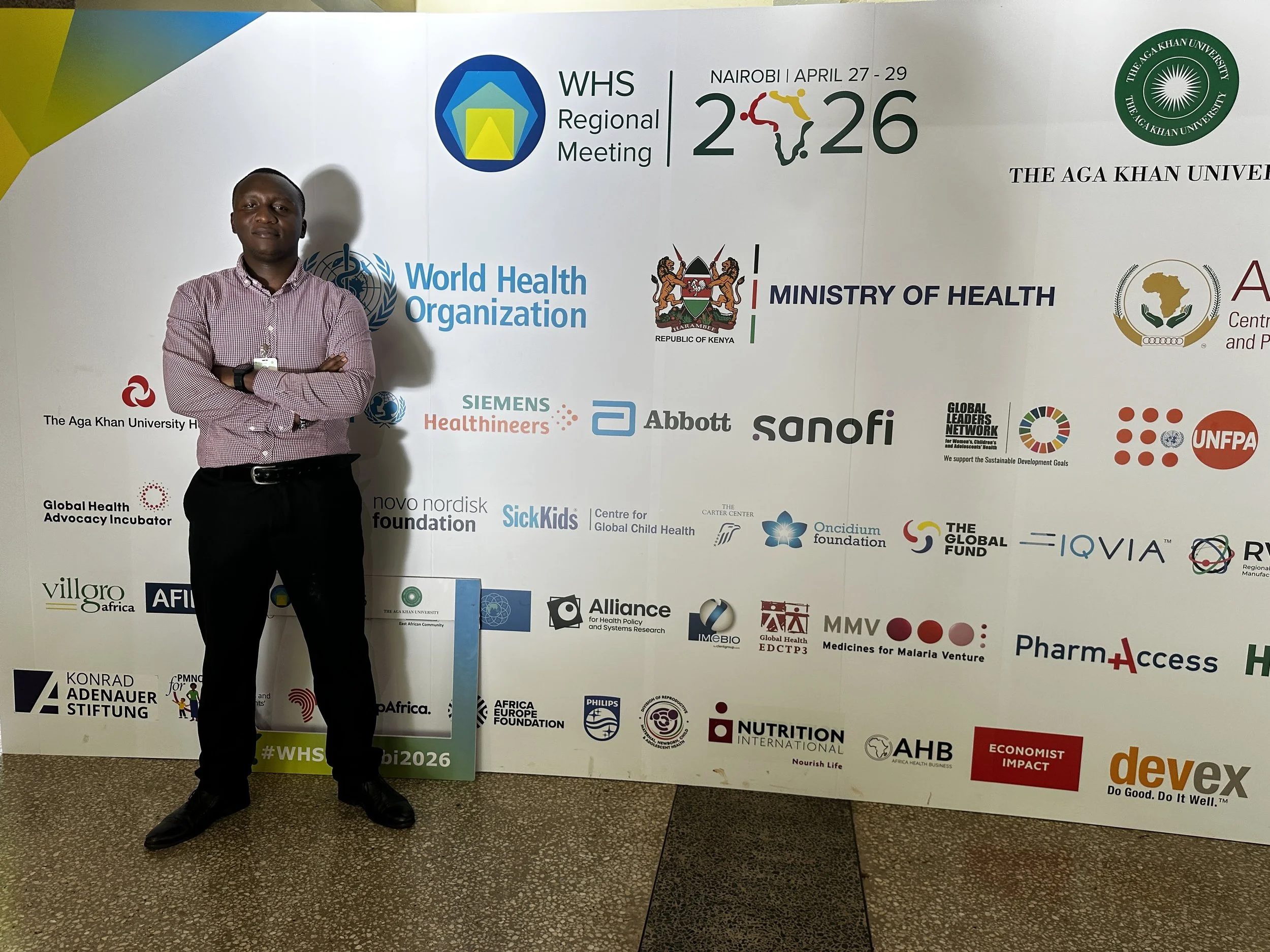
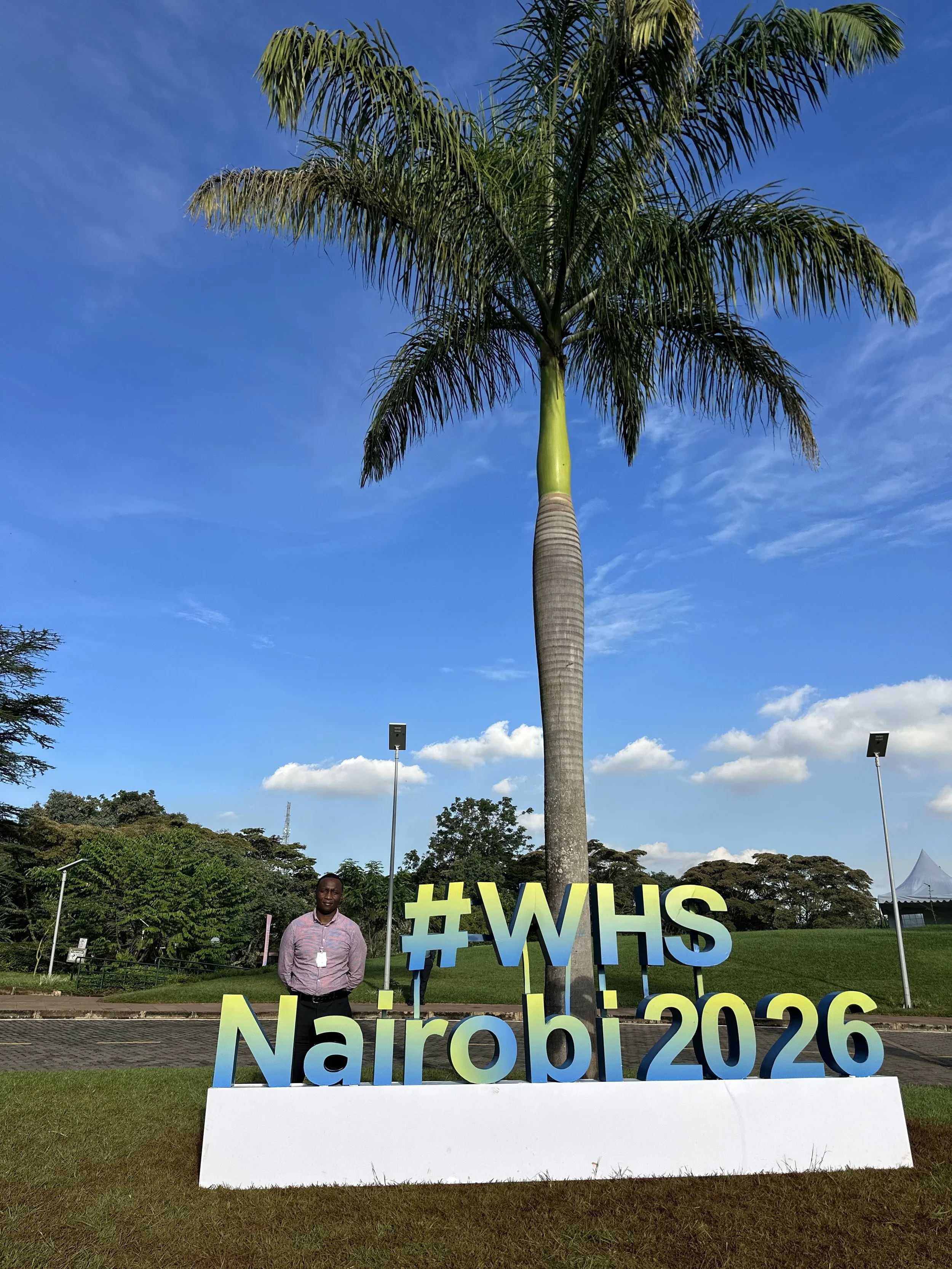
As I closed my notebook (and finally captured that iconic photo in front of the karibUNi signage), I felt a renewed commitment to our mission. The insights gained regarding maternal health, mental health innovation, and digital equity are not just academic—they are blueprints for how we can improve our service delivery at the grassroots level.
I would like to extend my sincere gratitude to citiesRISE (specifically Maureen Gikonyo and Joyce Arita) for nominating me to attend this prestigious summit.
Most importantly, thank you to Ruben Centre for the opportunity and support. Being part of an organization that values professional growth and community-led health solutions allows us to bring these global insights back to the people who need them most.
The summit has concluded, but the work of turning these dialogues into lasting impact continues.
By: Gregory Barake